


Bile Salt Malabsorption After Gallbladder Surgery: What Patients Need to Know
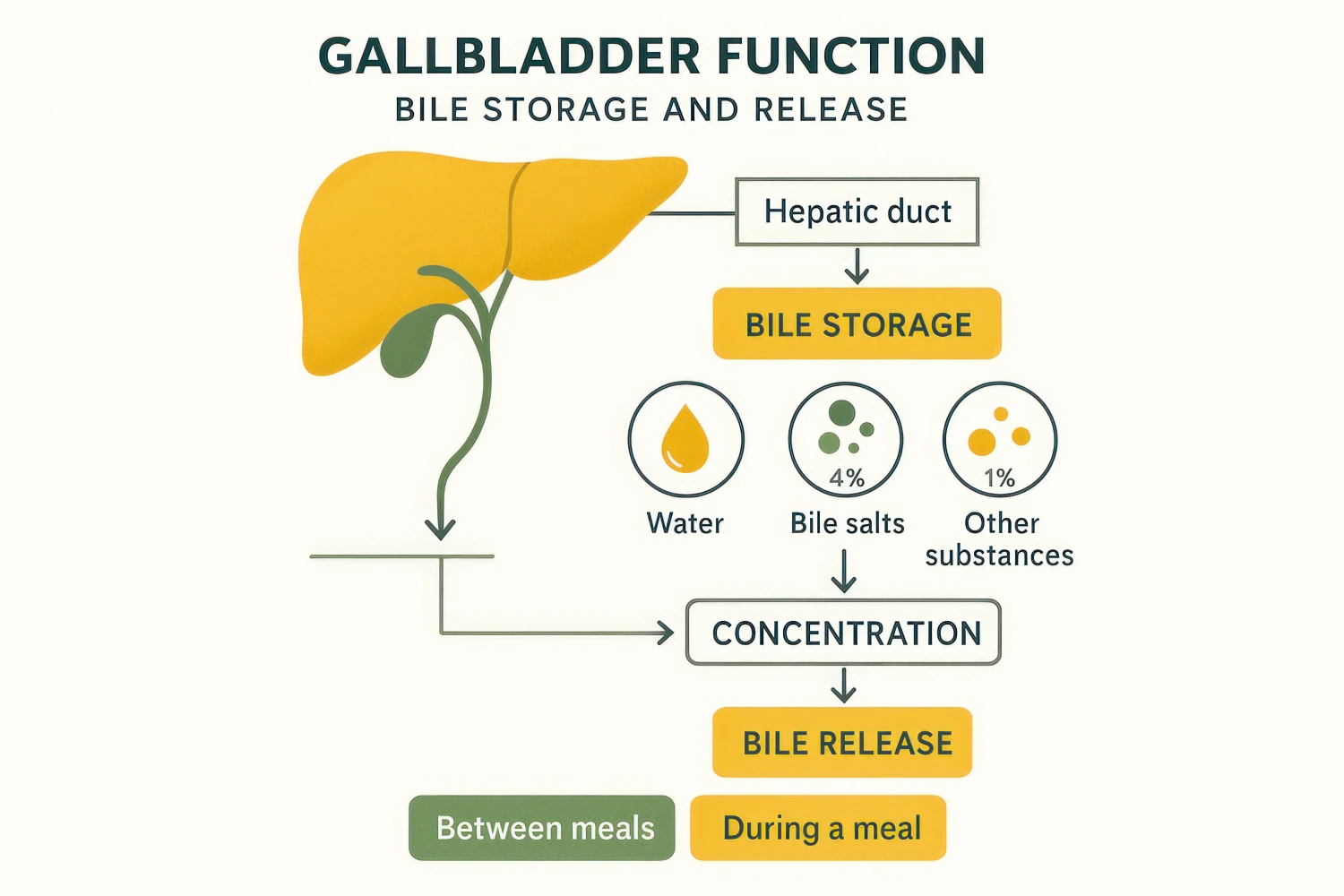
If you’ve had your gallbladder removed and are now experiencing digestive symptoms like diarrhea or urgency after eating, you’re not alone. One possible cause is bile salt malabsorption (BSM), a condition that can affect some patients after gallbladder surgery.
In this post, Dr Sherif (Consultant Upper Gastrointestinal Surgeon with extensive expertise in gallbladder surgery) explains what bile salt malabsorption is, why it happens after gallbladder removal, and what you can do to manage the symptoms effectively.
What Is Bile Salt Malabsorption?
Bile salts are substances made by your liver that help digest fats. Normally, bile is stored in the gallbladder and released in controlled amounts into the intestine when you eat. After cholecystectomy (gallbladder removal), bile flows more continuously into the gut—whether you’re eating or not.
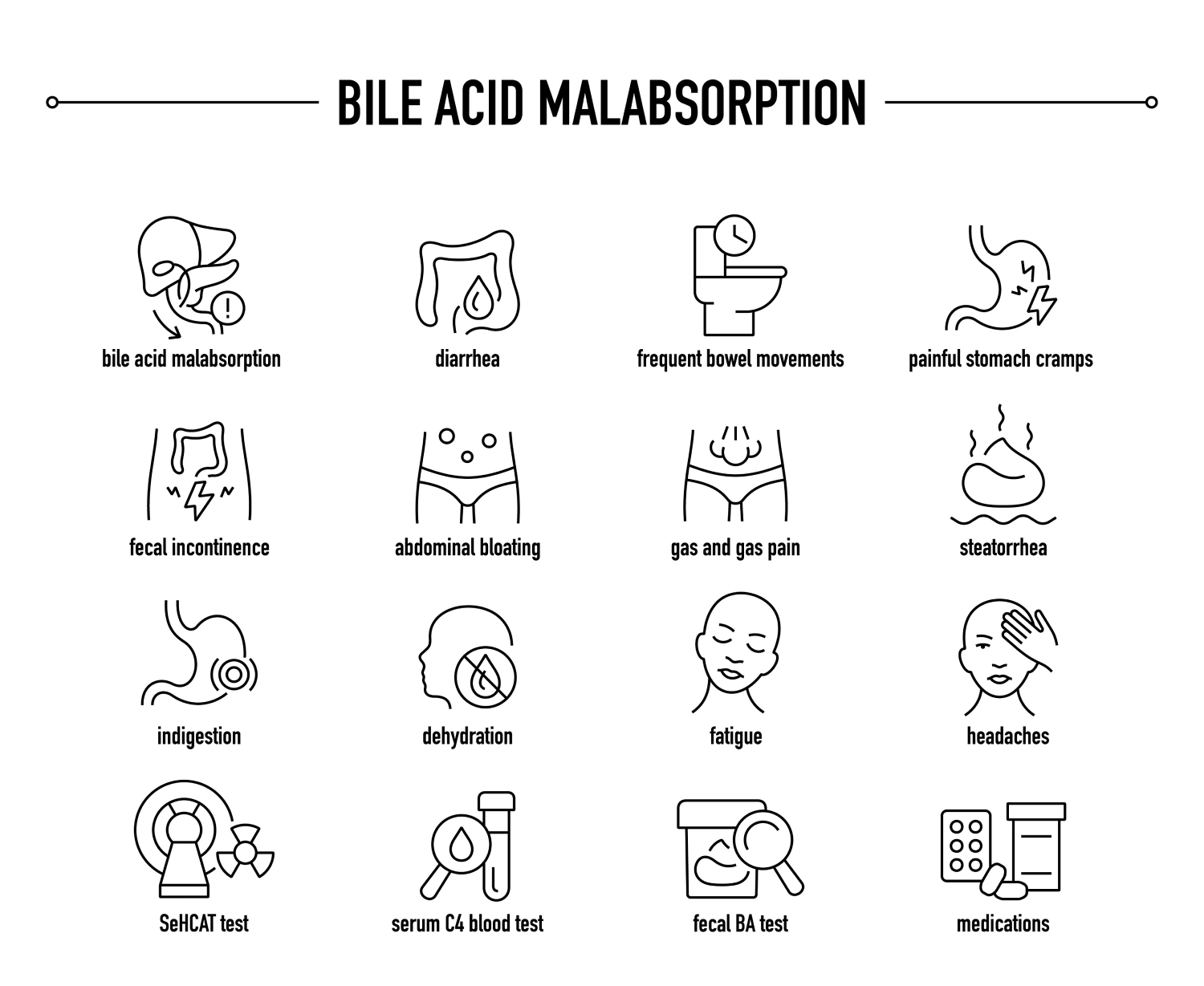
For some people, this unregulated bile flow overwhelms the small intestine, and excess bile enters the colon, irritating it and causing:
- Watery diarrhea
- Urgency to use the toilet after meals
- Bloating or abdominal discomfort
This condition is known as bile salt malabsorption, also called bile acid diarrhea.
Why Does It Happen After Gallbladder Surgery?
Not everyone develops bile salt malabsorption after surgery, but it’s more common than many people realize.
After gallbladder removal:
- Bile is no longer stored and released on-demand.
- Instead, bile drips constantly into the digestive tract.
- This can lead totoo much bile in the colon, which draws water into the bowel and speeds up movement—causing diarrhea.
Research shows that up to 10–20% of patients may experience bile acid-related symptoms after gallbladder surgery.
Common Symptoms to Watch For
If you’ve recently had your gallbladder removed, keep an eye out for these symptoms that may indicate bile salt malabsorption:
- Frequent, loose, or watery stools
- Urgent bowel movements, especially after eating
- Abdominal cramps or bloating
- Symptoms that persist for weeks or months after surgery
These symptoms can mimic other conditions like IBS-D (Irritable Bowel Syndrome with Diarrhea), so it’s important to get an accurate diagnosis.
How Is Bile Salt Malabsorption Diagnosed?
Diagnosing BSM can be tricky, but your healthcare provider may recommend:
- Clinical history and symptom review
- SeHCAT scan(not available in all countries)
- Trial of treatmentwith bile acid binders to see if symptoms improve
Sometimes, diagnosis is based on exclusion of other causes and response to treatment.
Treatment Options: How to Manage Bile Salt Malabsorption
The good news? BSM is treatable. Here are some effective strategies:
- Bile Acid Binders: Your doctor may prescribe medications such as:
- Cholestyramine (Questran)
- Colesevelam (Welchol)
- Colestipol (Colestid)
These bind excess bile acids in your intestines, reducing diarrhea and discomfort. They are usually taken before meals.
- Dietary Adjustments: Certain changes in your eating habits can make a big difference:
- Eat low-fat meals to reduce bile production
- Avoid greasy, fried, or fatty foods
- Try smaller, more frequent meals
- Track trigger foods (some patients react to caffeine, artificial sweeteners, or spicy foods)
- Hydration: Because bile salt diarrhea can lead to fluid loss, make sure to:
- Drink plenty of water
- Replenish lost electrolytes if needed
- Probiotics and Gut Support: Some people find relief by supporting their gut with:
- Probiotics to balance gut bacteria
- Fiber supplements (use with caution – some may worsen symptoms)
Always speak with your healthcare provider before starting supplements.
Will It Go Away Over Time?
For some patients, symptoms improve over time as the digestive system adjusts after surgery. For others, long-term treatment or dietary changes are needed to manage symptoms.
Early recognition and treatment can significantly improve quality of life.
When to Talk to Dr Sherif
If you’ve had your gallbladder removed and are experiencing ongoing digestive issues, don’t suffer in silence. Talk to Dr Sherif if you:
- Have diarrhea lasting more than 4 weeks
- Feel your symptoms are getting worse
- Are losing weight without trying
- Notice signs of dehydration
Getting the right diagnosis is the first step toward effective treatment.
Final Thoughts
Bile salt malabsorption is a common but often overlooked cause of post-gallbladder removal diarrhea. With the right treatment, most patients can manage their symptoms and return to a normal lifestyle.
Final Thoughts
Don’t be embarrassed to seek help—digestive symptoms after surgery are common, and you’re not alone. Contact Dr Sherif (Consultant Upper Gastrointestinal Surgeon) to arrange a consultation if you are experiencing any of the above symptoms after gallbladder removal.
Contact us for more information:
About Dr Sherif Awad
Dr Sherif is a leading experienced Consultant General, Laparoscopic, Upper Gastrointestinal and Weight Loss Surgeon based at Emirates Speciality Hospital (Healthcare City).