


Side Effects of Mounjaro (Tirzepatide): What Patients Need to Know

Mounjaro® (tirzepatide) is a newer medication used to manage type 2 diabetes and weight loss. While it has shown powerful results in blood sugar control and weight management, like all medications, it can come with side effects.
If you’ve been prescribed Mounjaro or are considering it, here’s what you need to know about its potential side effects, how to manage them, and when to contact your healthcare provider.
What Is Mounjaro?
Mounjaro is a once-weekly injectable medication approved by the FDA for the treatment of type 2 diabetes. It belongs to a class of drugs called GIP/GLP-1 receptor agonists, which work by:
- Helping the pancreas release insulin when blood sugar is high
- Slowing digestion to make you feel fuller longer
- Lowering appetite and reducing food intake
Because of these effects, Mounjaro is also being used as a weight loss medication in people without diabetes.

Common Side Effects of Mounjaro
Most side effects are mild and improve as your body adjusts. The most common side effects include:
- Nausea
- One of the most frequently reported side effects
- Often mild to moderate
- Usually improves over time or with dose adjustment
- Diarrhea
- Loose stools or increased bowel movements
- Staying hydrated is important
- Decreased Appetite
- May contribute to weight loss
- Can sometimes lead to eating too little—monitor your calorie and nutrient intake
- Vomiting
- Less common than nausea, but can occur especially at higher doses
- Talk to your provider if persistent or severe
- Constipation
- May occur as digestion slows down
- Drinking water and adding fiber can help
- Indigestion or Heartburn
- Also known as dyspepsia
- Eating smaller meals and avoiding spicy foods may reduce discomfort
- Fatigue
- Some users report feeling tired, especially during the first few weeks

Less Common but Serious Side Effects
Although rare, some patients may experience more serious side effects. These include:
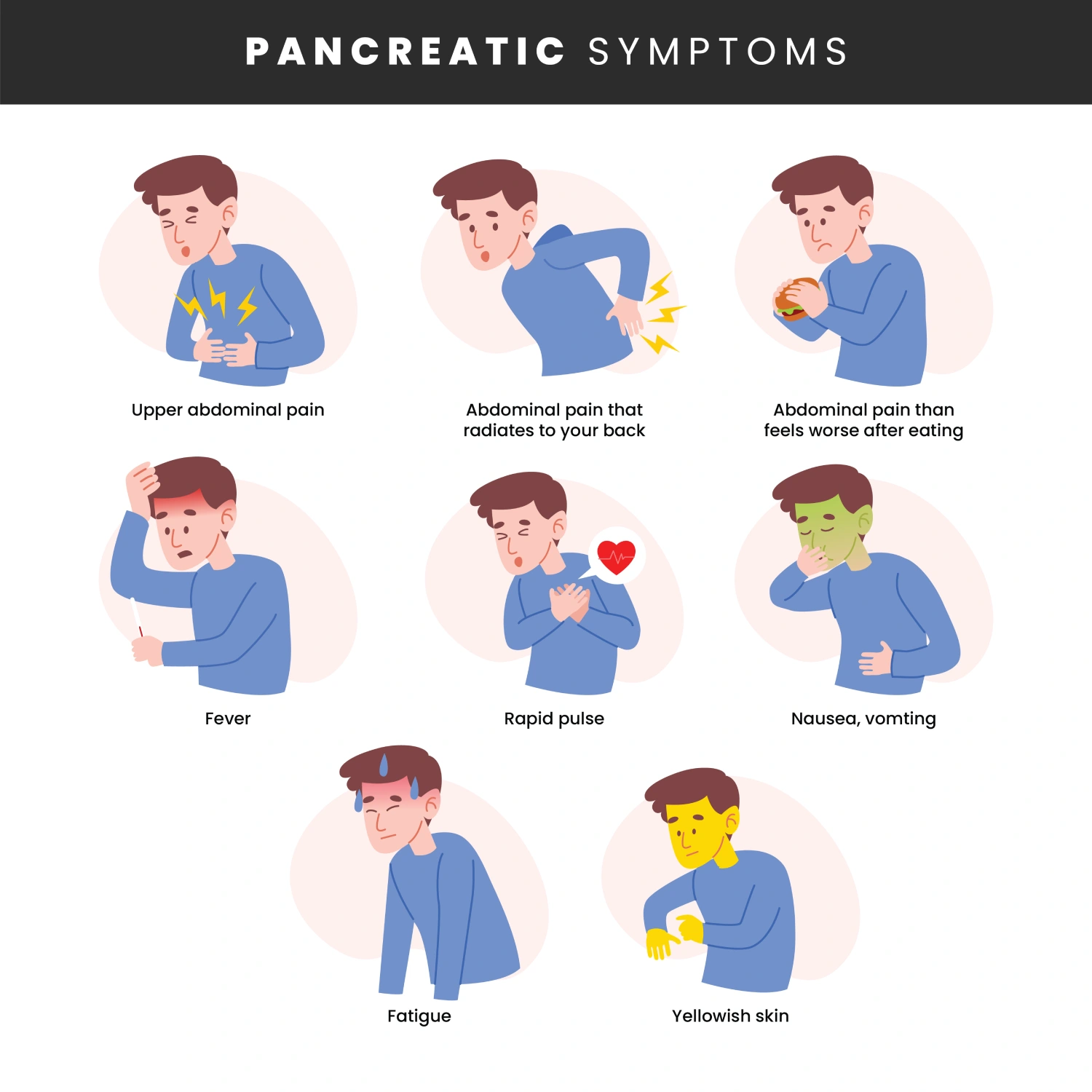
- Pancreatitis
- Inflammation of the pancreas
- Symptoms: severe abdominal pain, nausea, vomiting
- Seek immediate medical attention if suspected
- Gallbladder Problems
- Signs include right upper abdominal pain, fever, or jaundice
- Weight loss itself (rapidly) can increase this risk
- Allergic Reactions
- Rare, but can include rash, swelling, or trouble breathing
- Stop medication and seek emergency care if this occurs
- Kidney Issues
- Dehydration from nausea/vomiting can affect kidney function
- Stay hydrated and monitor fluid intake
- Thyroid Tumors (in animal studies)
- Mounjaro carries a warning about a possible risk of thyroid C-cell tumors
- This has been observed in animal studies—not confirmed in humans
- Patients with a personal/family history of medullary thyroid carcinoma or MEN2 syndrome should not use Mounjaro
Tips to Manage Side Effects
If you’re starting Mounjaro, these tips may help ease side effects:
- Start at a low dose and increase slowly as directed.
- Eat small, low-fat meals to reduce nausea.
- Stay well-hydrated.
- Avoid alcohol, greasy foods, and carbonated drinks.
- Take the injection on the same day each week.
- Speak with your healthcare provider before stopping or skipping doses.
When to Call Your Doctor
You should contact your healthcare provider right away if you experience:
- Severe stomach pain
- Persistent nausea or vomiting
- Signs of dehydration
- Yellowing of the skin or eyes (jaundice)
- Unusual swelling or allergic reaction
- Trouble swallowing or a lump in the neck
Final Thoughts: Is Mounjaro Safe?
For many patients, Mounjaro offers significant benefits for managing blood sugar and supporting weight loss. Most side effects are mild and temporary, especially when the medication is started at a lower dose and increased gradually.
However, it’s important to be aware of how your body responds. Regular check-ins with your doctor and open communication about side effects can help ensure that Mounjaro is both safe and effective for you.
FAQs:
Most side effects like nausea and fatigue improve after a few weeks as your body gets used to the medication.
Many healthcare providers prescribe it for this purpose. But we advise you consult your doctor before starting. Be aware that if you stop Mounjaro you are very likely to regain the weight you lost
You can take Mounjaro any time of day, but aim to take it on the same day each week.
If you are experiencing side effects with Mounjaro, or weight regain after stopping, contact Dr Sherif (Consultant Upper Gastrointestinal & Weight loss Surgeon) to arrange a consultation on alternative options for weight loss.
Schedule a Consultation
About Dr Sherif Awad
Dr Sherif is a leading experienced Consultant General, Laparoscopic, Upper Gastrointestinal and Weight Loss Surgeon based at Emirates Speciality Hospital (Healthcare City).