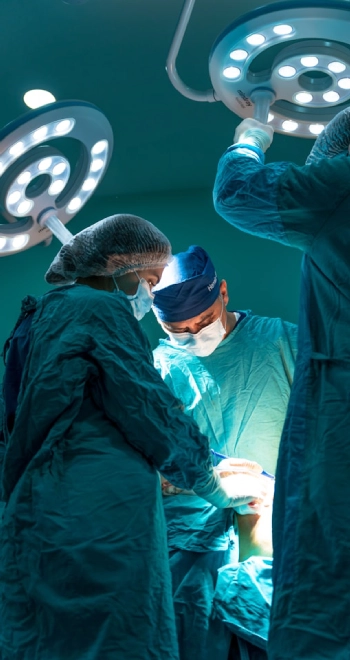
Achalasia Treatment Dubai
Expert Achalasia Surgeon in Dubai Offering Advanced Care for Lasting Relief.
Living with achalasia can make swallowing difficult and turn simple meals into a challenge. This condition affects the esophagus, where the muscles fail to push food properly into the stomach. Over time, it may cause chest discomfort, regurgitation, or weight loss if left untreated. That is why seeking the right care early makes a real difference. Patients in Dubai benefit from advanced facilities and modern approaches that ensure safer recovery and effective results.
If you are considering achalasia treatment in Dubai, you want a doctor who understands every detail of this complex condition. Dr. Sherif Awad brings years of expertise and a patient-focused approach, guiding individuals toward lasting relief.
Table of Contents
Understanding the treatment for achalasia in UAE
For some patients, medications may be the first step, but these usually provide short-term relief. Long-term solutions often involve procedures to widen the tight lower esophageal sphincter (LES), allowing food to pass into the stomach more easily. One effective, minimally invasive method is balloon dilation of LES, which stretches the narrowed area to improve swallowing. In other cases, botox injections, surgical or endoscopic techniques may be considered.
Eligibility Criteria for Achalasia Treatment
A Minimally Invasive Solution
Before starting treatment, specific criteria help determine if a patient is a suitable candidate. This includes clinical evaluations and specific test results to ensure the chosen method is safe and effective. The following symptoms suggest achalasia and should be assessed by a specialist:
- If you have consistent difficulty swallowing both solids and liquids.
- Symptoms like chest pain, regurgitation, or weight loss are present and persistent.
- No signs of secondary achalasia caused by another underlying condition.
- You are fit for procedures such as dilation or surgery, based on overall health.
- There is poor esophageal muscle movement confirmed through manometry testing.
- Other gastrointestinal conditions have been ruled out through prior evaluations.
The barium swallow diagnostic test shows clear signs of narrowing at the lower esophageal sphincter.
Book A Consultation with Dr Sherif Awad to Determine If Hiatus Hernia Surgery is Right for You.
Achalasia Treatment Dubai
The Procedure
Achalasia is a chronic condition that affects the esophagus, leading to symptoms like difficulty swallowing, regurgitation, chest pain, and weight loss. In Dubai, minimally invasive treatment options are often the most effective solution. Here’s a clear overview of what to expect before, during, and after the procedure.
- Before Surgery
- During Surgery
- After Surgery
- A complete medical evaluation is performed to assess symptoms and overall health.
- Diagnostic tests, such as manometry, barium swallow and a CT scan of the chest and abdomen, confirm the diagnosis of achalasia.
- The patient reports issues like dysphagia and frequent regurgitation during initial assessments.
- Nutritional counseling may be recommended to address weight loss before surgery.
- Risks, benefits, and expected outcomes are discussed in detail with Dr Sherif.
- Pre-operative instructions, including fasting and medication guidance, are carefully reviewed.
- The procedure is performed using minimally invasive (keyhole) techniques.
- Small incisions are made to in the abdomen with specialized instruments.
- Dr. Sherif will cut the tight lower esophageal sphincter muscle to relieve obstruction.
- Care is taken to avoid injury and reduce the risk of chest pain after surgery.
- A hiatal hernia, if present, may be repaired during the same surgery.
- The entire process usually lasts one to two hours under general anesthesia.
- Most patients notice a quick improvement in dysphagia and regurgitation.
- Hospital stays are typically short, often lasting just one or two days.
- A gradual diet plan is introduced, starting with liquids and progressing to solids.
- Follow-up checks monitor the healing process and ensure that no complications arise.
- Some patients may experience gastroesophageal reflux after treatment, which is managed with medications.
- Ongoing care focuses on symptom relief and maintaining healthy eating habits.


Client Stories:
Real-Life
Transformations
Life-Changing Experience
After months of struggling with difficulty swallowing and weight loss, I found the best achalasia treatment option in Dubai through Dr. Sherif Awad. His care was outstanding from start to finish. He explained everything clearly and performed the procedure in Dubai with precision and expertise. My recovery was smooth, and I felt real relief almost immediately. I highly recommend Dr. Sherif to anyone seeking long-term relief from achalasia .

Fatima R. Dubai
Grateful for Expert Care
Dr. Sherif Awad gave me the confidence to undergo the Achalasia procedure in Dubai, and I am happy with the outcome. I had chest pain and regurgitation daily before surgery. Now, my symptoms are gone, and I can eat comfortably again. His minimally invasive technique truly is the best achalasia treatment option in Dubai. Professional, reassuring, and skilled, Dr. Sherif exceeded every expectation throughout my treatment journey.
Omar K., Dubai
Smooth and Effective Treatment
I was nervous about surgery until I met Dr. Sherif Awad. He guided me through every stage and recommended the Heller’s procedure in Dubai as the ideal choice. The process was quick and nearly painless, with no major downtime. My symptoms, especially dysphagia, are now completely under control. I genuinely believe this is the best achalasia treatment option in Dubai, and I am thankful for Dr. Sherif’s expertise and care.
Laila M., Dubai
Post-Achalasia Treatment Recovery
Allow yourself about two weeks to regain full strength and resume regular activities. Some fatigue is normal as your body adapts to improved esophageal function.
Dietary Progression
- Day 1 - 2 Weeks: Stick to clear and full liquids to facilitate healing.
- After 2 Weeks: Begin introducing pureed, smooth-textured foods.
- After 4 Weeks: Transition to soft, easy-to-swallow options.
- 6 Weeks: Gradually return to a regular diet with standard textures.



Key Guidelines
Post Achalasia Treatment
- Chew food slowly and thoroughly to ease swallowing.
- Avoid drinking liquids during meals to reduce pressure on the esophagus.
- Sip fluids at least 20 minutes before or after eating.
- Avoid carbonated beverages and high-calorie, hard-to-digest snacks.
- Follow dietary advice closely to support long-term relief from symptoms.
- Take any recommended vitamin or mineral supplements as advised by your doctor.
Take the Next Step Toward
Comfortable Swallowing
Book your consultation with
Dr Sherif Awad today!
Positive Outcome of Achalasia Treatment
- Significant relief from dysphagia and easier swallowing of food and liquids
- Reduction or complete resolution of regurgitation and chest discomfort
- Improved nutritional intake, helping to reverse weight loss
- Lower risk of aspiration and related respiratory issues
- Better sleep quality due to reduced nighttime symptoms
- Enhanced quality of life and ability to enjoy regular meals
- Quick recovery through minimally invasive surgical techniques
- Fewer chances of gastroesophageal reflux after treatment with proper care

Risks and Considerations for Achalasia Treatment
While achalasia treatment offers significant relief, it is essential to understand the potential challenges associated with it. Awareness helps patients prepare and make informed decisions.
- Mild chest discomfort may occur during the initial phase of recovery.
- Temporary gastroesophageal reflux is a common post-surgery issue.
- Swallowing difficulties may persist if healing is delayed.
- Infection or bleeding, although rare, are possible surgical risks.
- Risks of surgery for type III achalasia may be slightly higher due to deeper muscle involvement.
- In severe cases, the esophagus may not regain its full strength.
- Retreatment or additional procedures might be needed over time.
- Close follow-up with Dr. Sherif Awad is essential to monitor long-term results and manage any complications early.
Why Choose Dr. Sherif Awad for Achalasia Treatment in Dubai?
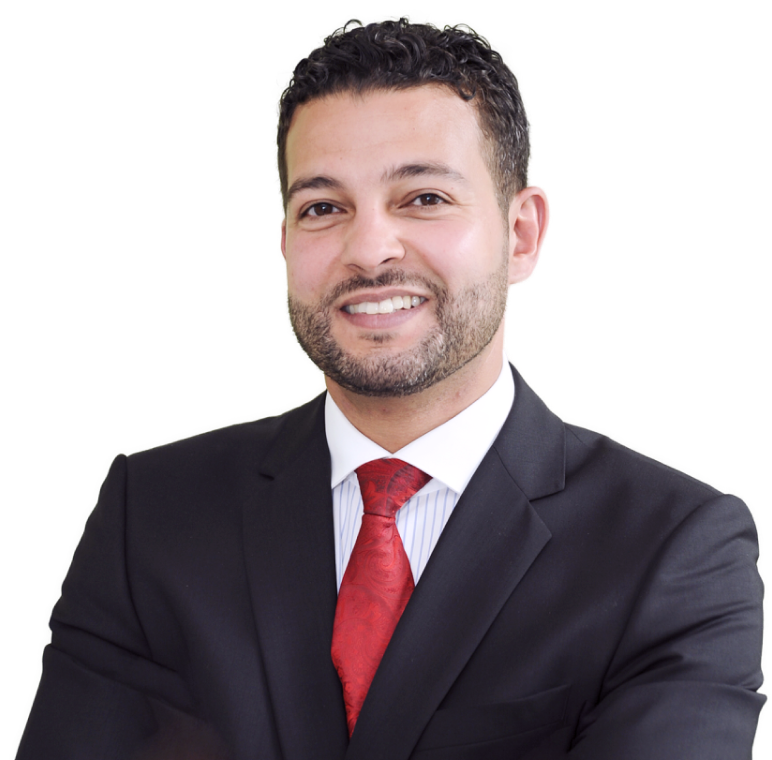
Don’t let achalasia disrupt your life. Take the first step toward relief with Dr. Sherif Awad, a leading expert in Upper Gastrointestinal and minimally invasive achalasia treatment in Dubai.
- Specialized Expertise: Dr. Sherif Awad is highly skilled in advanced laparoscopic and endoscopic techniques, offering targeted solutions for achalasia.
- Years of Experience: With over a decade of surgical excellence, he has successfully treated numerous patients with complex esophageal conditions.
- Tailored Care: Every treatment plan is personalized, focusing on long-term symptom relief and patient comfort.
- Convenient Access: Consultations and surgeries are available at Emirates Specialty Hospital, Dubai Healthcare City.
- Focus on Recovery: Minimally invasive procedures result in smaller incisions, quicker recovery, and reduced discomfort.
FAQs:
Achalasia is a disorder where the esophagus fails to move food into the stomach properly due to tight muslces in the lower esophageal sphincter (LES). Treatment begins with diagnostic tools such as the esophageal manometry test and the barium swallow diagnostic test. Based on results, options include balloon dilation of the LES, Botox injections, POEM, or surgery. The goal is to relieve symptoms like dysphagia and regurgitation.
POEM (Peroral Endoscopic Myotomy) is an incision-free endoscopic procedure done through the mouth. Heller myotomy, in contrast, is a laparoscopic surgery requiring small abdominal cuts. Both aim to relieve pressure by cutting the tight esophageal muscle.
The choice depends on the severity and type of achalasia. Balloon dilation of the LES is less invasive and often used for early-stage cases but may need repeat treatments. Surgery or POEM usually offers longer-lasting relief, especially for complex or recurring symptoms. A specialist will recommend the best option based on individual needs.
Most patients return to daily routines within two weeks after surgery. A soft or liquid diet is followed for several weeks as the esophagus heals. Full recovery and return to standard food textures take around six weeks. Mild fatigue and reflux can occur but typically improve over time.
Yes, non-surgical options like Botox injections and balloon dilation of the LES are available. These are generally used in the early stages or for patients who are unfit for surgery. While effective, they may not offer permanent relief and could require repeat procedures. Surgical options are more durable in the long term.
Common side effects include temporary acid reflux, mild chest pain, or bloating. Some patients may also feel discomfort while eating during the recovery phase. Complications are rare, especially when treated by an experienced surgeon. Regular follow-ups help monitor healing and manage any issues early.
Many patients experience a dramatic improvement in swallowing and overall comfort. While minor issues may linger initially, most adapt well within weeks. Achalasia can be effectively managed, and eating becomes significantly easier after treatment. Long-term relief depends on the chosen procedure and adherence to recovery guidelines.
The cost varies depending on the method used and hospital facilities. On average, achalasia treatment in Dubai ranges from AED 25,000 to AED 45,000. This includes diagnostic tests, such as the barium swallow diagnostic test, and the selected procedure, like POEM or surgery. A detailed estimate is provided after consultation. In most cases treatment is covered by insurance.
Relief from Achalasia
Is Just a Step Away
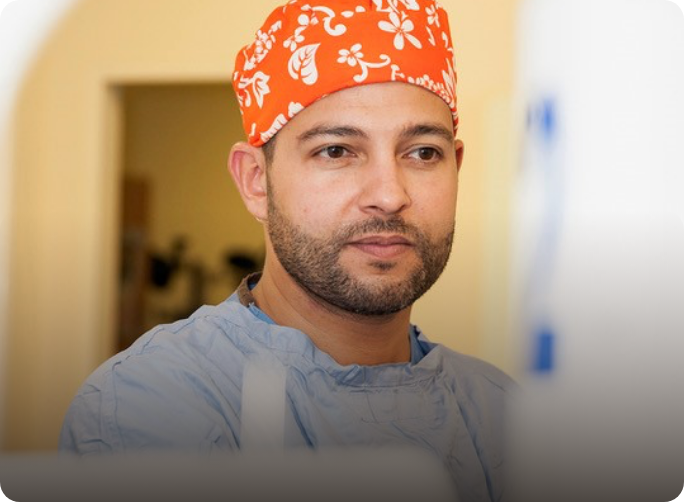
Take the first step toward lasting relief with Dr. Sherif Awad’s minimally invasive achalasia treatment in UAE. Regain comfortable swallowing and improve your quality of life. Don’t let Hiatus Hernia control your life. Dr Sherif Awad specializes in minimally invasive Hiatus Hernia surgery to provide long-lasting relief.
Call us now or book an appointment online!