


Gallstone Symptoms: When to See a Doctor in Dubai
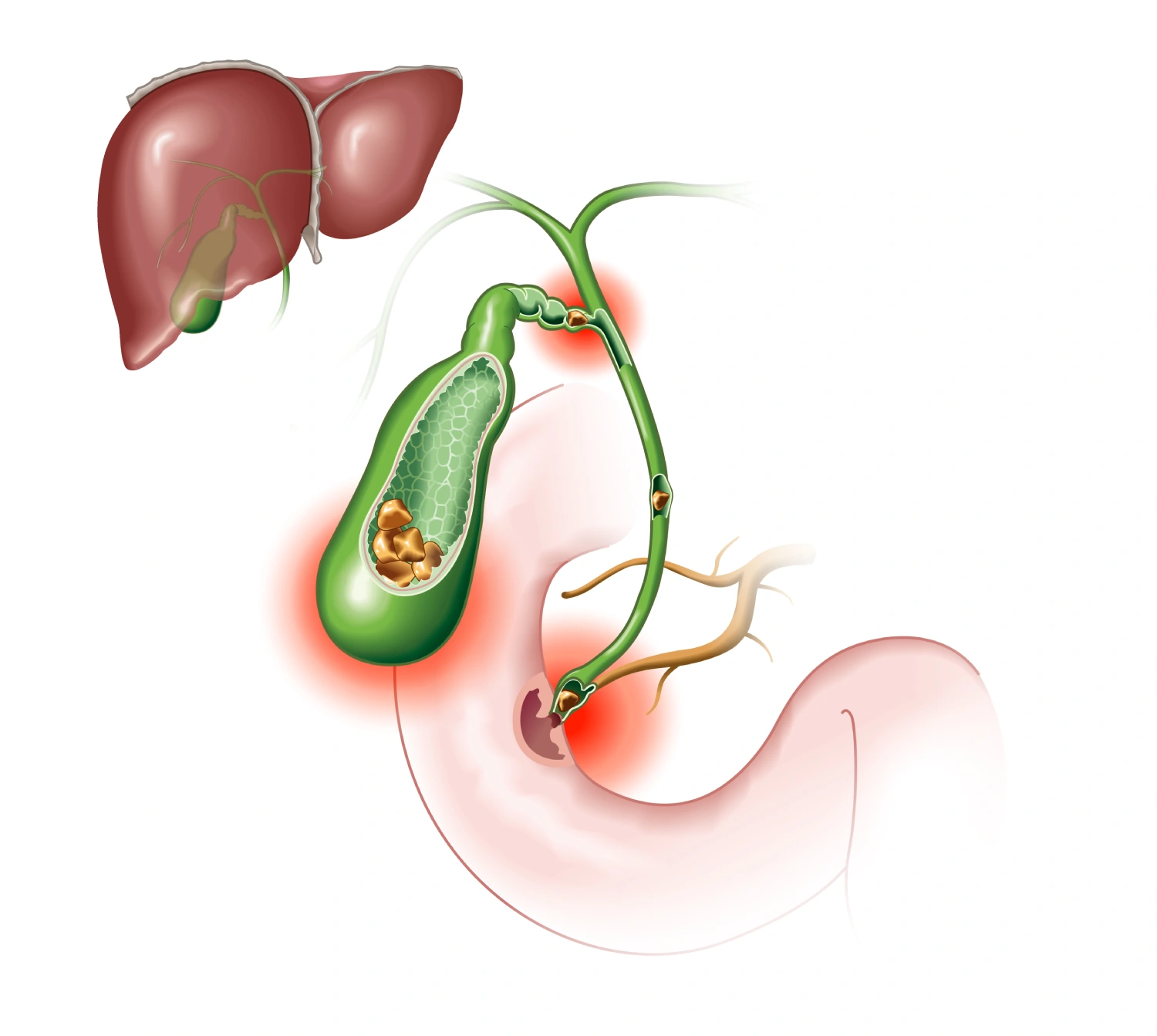
Gallstones form when bile components harden inside the gallbladder, often without early signs. Gallstone cases are rising in Dubai due to lifestyle shifts, dietary habits, and metabolic risks. High-fat diets, obesity, and sedentary routines increase gallbladder dysfunction. Gallstone Symptoms include sharp upper abdominal pain, nausea, bloating, and discomfort after heavy meals. Pain may spread to the back or right shoulder and last for hours. These signs often indicate bile flow obstruction. Gallstone early diagnosis with imaging reduces complications and supports faster, safer treatment outcomes. Understanding when to see a doctor in Dubai helps prevent complications such as infection or pancreatitis.
In Dubai, Dr Sherif Awad emphasizes evidence-based practice, careful evaluation, and tailored treatment plans for Gallstone treatment, helping patients understand symptoms, options, and next steps through transparent communication and consistent clinical standards.
Common Gallstone Symptoms You Should Not Ignore
Gallstones often remain silent until they block the gallbladder. When blockage occurs, symptoms appear and can become severe. Early recognition helps prevent complications and supports timely medical care. The following warning signs require attention.
Persistent Pain in the Upper Right Abdomen
Sharp pain in the upper right abdomen is a primary symptom of gallstones. The pain often begins without warning and may last from 30 minutes to several hours. It can feel steady and intense rather than cramping. Pain frequently spreads to the back or right shoulder blade. This pattern occurs because the gallbladder shares nerve pathways with nearby structures.
Many people report attacks after eating fatty meals. Fat intake stimulates bile release, which can cause stones to move within the contracting gallbladder. If these episodes repeat, medical evaluation is necessary. Imaging tests can confirm the diagnosis. Recurrent attacks may lead to inflammation and infection. In such cases, doctors may discuss treatment options, including Gallbladder removal.
Nausea, Vomiting, and Digestive Distress
Gallstones can interfere with digestion. You may experience ongoing bloating, gas, or a heavy feeling after meals. These symptoms often mimic common indigestion but tend to recur. Unexplained nausea after eating is another indicator. Some individuals also develop vomiting during painful attacks. Loss of appetite may follow due to fear of triggering discomfort. Persistent digestive symptoms should not be ignored. A clinical assessment can determine if gallstones disrupt bile flow and guide further management.
Fever, Jaundice, or Dark Urine
Fever with chills signals possible infection. Yellowing of the skin or eyes indicates bile duct obstruction. Dark urine can result from impaired bile drainage. These signs suggest a medical emergency. A blocked duct can lead to serious infection or pancreatitis. Urgent treatment may involve hospitalization and procedures such as Gallstone Surgery to clear the obstruction and prevent life-threatening complications.
Why Early Gallstone Diagnosis Improves Treatment Outcomes
Early diagnosis reduces the risk of serious gallbladder complications. Prompt evaluation prevents inflammation such as cholecystitis and lowers the chance of pancreatitis caused by blocked bile ducts. Timely testing allows doctors to confirm gallstones before symptoms worsen. Modern imaging tools, including ultrasound and MRCP, provide clear and accurate views of the biliary system. These scans detect obstruction, infection, or swelling without delay.
Once confirmed, minimally invasive laparoscopic surgery removes the gallbladder through small incisions. This method limits bleeding and reduces postoperative pain. Patients usually return to normal activities within one to two weeks. Early medical care also shortens hospital stays and improves overall outcomes. Fast intervention protects liver function and supports safer recovery. Delays increase complication rates and treatment complexity for patients.

When Should You See a Doctor for Gallbladder/Gallstone Surgery?
You should see a doctor when symptoms become intense, frequent, or linked to complications. Early evaluation reduces the risk of infection and organ damage. A medical assessment helps determine if medication, monitoring, or Surgery is required for safe recovery.
When Pain Becomes Severe or Recurrent
Severe abdominal pain is a clear warning sign. If pain disrupts sleep or daily activity, medical care is necessary. Attacks that increase in frequency suggest ongoing blockage or inflammation of the Gallbladder. Pain lasting more than a few hours requires urgent evaluation. Persistent discomfort may indicate that a stone remains lodged in a bile duct. Delayed care can lead to infection or tissue damage. Doctors often recommend imaging tests to confirm the cause and plan treatment.
When Symptoms Indicate Complications
Certain symptoms signal serious complications. Fever combined with abdominal pain may indicate infection. Jaundice, marked by yellowing of the skin or eyes, suggests bile duct obstruction. Severe upper abdominal pain that spreads to the back may point to pancreatitis. This condition requires immediate hospital care. A blocked Gallstone can inflame the pancreas and cause life-threatening issues. Prompt medical attention prevents further damage and supports faster intervention.
When You Belong to a High-Risk Group
Some individuals face a higher risk of complications. Obesity and rapid weight loss increase stone formation. Diabetes can slow gallbladder emptying and raise infection risk. Women over 40 are more likely to develop symptomatic stones due to hormonal factors. A family history of gallstones also raises susceptibility. If you fall into any of these groups and notice symptoms, schedule a medical consultation without delay. Early treatment reduces the likelihood of emergency procedures and long-term health problems.
What to Expect During Gallstone Surgery
Gallbladder surgery follows a structured and safe medical pathway. Doctors confirm the diagnosis using ultrasound imaging and blood tests. If gallstones cause repeated pain, infection, or blockage, surgeons recommend cholecystectomy. This procedure removes the gallbladder to prevent future complications. Most hospitals in the UAE perform laparoscopic cholecystectomy. Surgeons create four small incisions in the abdomen. They insert a camera and surgical instruments to detach and remove the gallbladder. The camera projects high-definition images onto a monitor, which improves precision. The procedure usually takes 60 to 90 minutes.
Patients receive general anesthesia during surgery. After the operation, medical teams monitor vital signs and pain levels. Many patients return home on the same day or within 24 hours. Doctors provide guidance on wound care, diet adjustments, and physical activity. Light movement starts within a day, while normal routines often resume within one to two weeks. In complex cases, surgeons may perform open surgery. This approach involves a larger incision and a longer recovery period. Hospitals in the UAE follow strict infection control standards and international surgical protocols. Early consultation and proper follow-up visits improve recovery outcomes and reduce the risk of complications.
Get Help from Dr Sherif Awad for Gallbladder Surgery in Dubai
If you need expert care for Gallbladder Surgery in Dubai, Dr Sherif Awad provides structured evaluation and evidence-based treatment. My team will assess your symptoms, review imaging results, and confirm the diagnosis before recommending surgery. Clear diagnosis reduces unnecessary procedures. I perform laparoscopic gallbladder removal using minimally invasive techniques. This approach reduces pain, limits scarring, and shortens hospital stay.
Most patients resume normal activity within one to two weeks. I explain every step of the procedure, including risks, benefits, and recovery expectations. You receive a personalized care plan and scheduled follow-up visits. Early treatment prevents complications such as infection or bile duct blockage. Prompt medical care improves long-term digestive health.
Get Expert Evaluation for Safe Gallstone Surgery: Call Now
Persistent abdominal pain requires medical attention. If you experience symptoms linked to the Gallbladder, schedule a clinical evaluation without delay. Early diagnosis reduces complications and shortens recovery time. You receive clear guidance, transparent discussion of risks, and structured follow-up care. Timely intervention prevents infection, obstruction, and repeated emergency visits. Book your consultation today and take a decisive step toward lasting digestive health and safe surgical management in Dubai.
Take control of your symptoms today. Book your consultation with Dr Sherif Awad!
About Dr Sherif Awad
Dr Sherif is a leading experienced Consultant General, Laparoscopic, Upper Gastrointestinal and Weight Loss Surgeon based at Emirates Speciality Hospital (Healthcare City).