


GIST Tumor Surgery (Gastrointestinal Stromal Tumor)
Expert care for safe and effective GIST tumor surgery in Dubai with Dr. Sherif Awad.
Gastrointestinal stromal tumors (GIST) are rare growths that develop in the digestive tract. Depending on location, size and symptoms, surgery is often the most effective option to remove the tumor and prevent complications. The procedure involves carefully removing the tumor while preserving healthy surrounding tissue, helping patients regain comfort and reduce risks linked to tumor progression. Undergoing GIST tumor surgery in Dubai can be essential for patients seeking advanced medical care. Having a proper surgical plan makes a significant difference in outcomes and recovery. In Dubai, advanced facilities and skilled surgeons provide excellent support.
Dr. Sherif Awad, with his expertise in keyhole gastrointestinal surgery, offers patients highly personalized care, combining precision techniques with years of dedicated experience.
What Is a GIST Tumor? Understanding GIST Tumor Surgery
A GIST tumor is a rare type of growth that starts in the digestive tract, most often in the stomach or small intestine. It develops from special cells that help control the movement of food through the gut. When a GIST tumor is identified, surgery is often recommended as the primary treatment.
Stomach GIST surgery may be paired with drug therapies that target the genetic mutations driving the tumor. Minimally invasive techniques are becoming more common. Laparoscopic GIST removal offers patients shorter recovery times and less post-operative discomfort. The goal is always to remove the tumor while preserving as much healthy tissue as possible. In specialized cases, gastrointestinal stromal tumor removal can also involve a multidisciplinary team approach, ensuring the best possible outcome for patients.
Locations (stomach, small intestine)
- Most GIST tumors begin in the stomach, making it the most common site.
- The small intestine is the second most frequent location for these tumors.
- They can also appear in other parts of the digestive tract, but this is relatively uncommon.
- GIST is considered distinct from other forms of gastrointestinal cancer.
- Early stages may not cause significant symptoms, which can delay diagnosis.
- Treatment often depends on the tumor’s size, location, and genetic features.
Causes (KIT/PDGFRA mutations)
Research indicates that genetic mutations are the primary drivers of GIST tumors. Two specific mutations, known as KIT and PDGFRA, are closely linked to their development. These genetic changes cause uncontrolled cell growth, leading to the formation of tumors.
- KIT mutations are the most common cause of GIST tumors.
- PDGFRA mutations are less common but still significant in many cases.
- Both mutations affect signaling pathways that normally regulate cell activity.
- These mutations are not usually inherited; they occur randomly in the cells.
- Understanding the genetic cause is crucial for selecting a targeted treatment.
- Advances in research have led to therapies that block these abnormal signals.
Symptoms (pain, bleeding, obstruction)
Symptoms of a GIST tumor vary depending on its size and exact location. Some people may not notice anything until the tumor grows larger. Others may experience troubling signs earlier on.
- Abdominal pain or discomfort that persists can be an early warning sign.
- Unexplained gastrointestinal bleeding may appear as dark or bloody stools.
- Nausea or vomiting may happen if the tumor obstructs the digestive tract.
- Feeling full quickly, even after small meals, can be a sign of stomach pressure.
- Sudden fatigue may result from loss of blood.
- In rare cases, a lump in the abdomen may be felt during a medical exam.
Surgical Options: Laparoscopic vs. Open Resection
Surgery remains the primary treatment for gastrointestinal stromal tumors (GIST). The choice between laparoscopic and open resection often depends on tumor size, location, and complexity. Patients often inquire about Gastrointestinal stromal tumor surgery, where specialized teams combine experience with advanced technology to support optimal outcomes.
- Laparoscopic resection uses small incisions, which may support quicker recovery and less discomfort after surgery.
- This method is generally considered for smaller tumors in favorable locations.
- Open resection may be more suitable for larger tumors or those in difficult areas of the stomach or intestines.
- Open procedures allow the surgeon greater visibility and precision in complex cases.
- Both techniques share the same goal: to remove the tumor safely with clear margins.
- Careful evaluation is required before recommending the most effective approach for each patient.
Role of Targeted Therapy (e.g., tyrosine kinase inhibitors like imatinib)
Targeted therapy has transformed the way GIST is managed, especially when surgery alone is not enough.
- Tyrosine kinase inhibitors (TKIs), such as imatinib, directly block abnormal signals in tumor cells.
- TKIs may be recommended before surgery to shrink a tumor, making removal easier and safer.
- After surgery, these medications can help reduce the risk of recurrence.
- In advanced or metastatic cases, targeted therapy often becomes the main treatment option.
- Regular monitoring is essential, as response to therapy can vary from patient to patient.
- Side effects are usually manageable, but ongoing care and adjustments are an integral part of the treatment.
GIST Surgery Complications and Risks
Every surgery carries risks, and GIST surgery complications can vary from patient to patient.
- You may face bleeding during or after the procedure.
- Infections can occur if wounds do not heal as expected.
- Temporary digestive issues may be noticed during recovery.
- Scar tissue formation can sometimes cause discomfort later.
- In rare cases, surrounding organs may be affected during surgery.
Don’t Delay Essential Care. Book your consultation today and protect your long-term health.
Gastrointestinal stromal tumor surgery in Dubai
The Procedure
- Before Surgery
- During Surgery
- After Surgery
- Patients undergo detailed scans and tests to understand the tumor’s size and location.
- Doctors may recommend targeted medicines to shrink the tumor before the operation.
- Nutritional and health assessments are carried out to prepare the body for recovery.
- Clear guidance is provided regarding fasting and medications prior to the procedure.
- Counseling sessions help address concerns and explain what to expect during the hospital stay.
- Dr Sherif’s team reviews each step of GIST treatment surgery in Dubai to create a personalized plan.
- Clear instructions on medications to take or stop are provided ahead of the procedure.
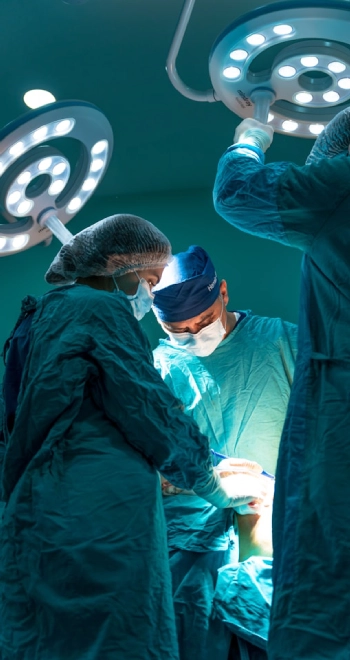
- Dr Sherif Awad will remove the tumor entirely while protecting surrounding healthy tissue.
- He may choose a laparoscopic method using small incisions for some instances.
- Open resection is preferred when the tumor is large or located in a challenging area.
- Advanced surgical tools are used to ensure precise removal and reduce complications.
- The procedure usually lasts 1-3 hours, depending on the complexity.
- Every effort is made to achieve clear margins, making the tumor less likely to return.
- Patients are closely monitored in the recovery room before being transferred to the ward.
- Pain management and early movement are encouraged to support faster healing.
- A gradual return to eating starts with liquids before moving to solid foods.
- Doctors check the surgical site and order scans to confirm successful results.
- Some patients may need targeted therapy after surgery to reduce future risks.
- Long-term follow-up ensures progress is tracked, and any concerns are addressed quickly.


GIST Removal Surgery Recovery Time
It usually takes about two weeks to start feeling like yourself again and return to normal work activities. Some tiredness is expected as your body heals and adjusts after surgery.
Healing Progression
- Day 1 - 2: Focus on liquids only to allow the digestive tract to rest.
- Day 3 - 5: Slowly begin adding pureed foods that are gentle on the stomach.
- After 1 week: Transition to soft foods that are easy to chew and swallow.
- After 2 Weeks: Gradually return to a normal diet with regular food textures.


Key Guidelines After GIST Tumor Surgery
- Chew your food slowly and thoroughly to facilitate easier digestion after surgery.
- Avoid drinking fluids during meals to prevent stomach discomfort or stretching.
- Sip liquids at least 20 minutes before or after eating to support smoother digestion.
- Avoid carbonated drinks and calorie-dense snacks, as they can cause bloating or impede recovery.
- Take recommended daily vitamins and mineral supplements to support healing and long-term health.
Client Stories:
Real-Life
Transformations
Life-Changing Experience
I am deeply grateful for the exceptional care I received under the guidance of Dr. Sherif Awad. From the first consultation to the follow-up after surgery, everything was explained with clarity and compassion. His skill gave me confidence, and the recovery process was much smoother than I expected. The entire medical team supported me throughout the journey. I truly believe I was treated by the Best GIST surgeon, Dubai has to offer, and the outcome changed my life.

Mariam H., Dubai
Expert Guidance & Care
Undergoing surgery is never easy, but with Dr. Sherif Awad, I felt reassured at every stage. His approach combined professionalism and genuine care, which made all the difference. He discussed every option and guided me through the treatment process in a clear and easy-to-understand manner. The results exceeded my expectations, and my recovery was carefully monitored. For anyone facing this condition, I recommend Dr. Sherif Awad as a trusted GIST tumor specialist in UAE.
Omar K., Abu Dhabi
Confidence Restored
When I was diagnosed, I feared what lay ahead, but Dr. Sherif Awad immediately gave me confidence. His calm explanations, surgical precision, and attentive aftercare made the whole experience less overwhelming. The hospital team worked seamlessly under his guidance, and I always felt supported. My healing has been steady, and I am back to normal life sooner than I thought possible. Choosing him was the best decision, and I cannot thank Dr. Sherif Awad enough for everything.
Layla S., Sharjah
GIST Tumor Surgery: Key Benefits You May Experience
- Relief from the troubling symptoms that the tumor once caused.
- A stronger sense of physical comfort and improved daily energy.
- The ability to return to normal activities is greatly appreciated.
- Reduced risk of complications linked to untreated growth.
- Renewed confidence in long-term health.
- Better digestive function and overall body comfort.
- Peace of mind knowing the issue has been addressed.

FAQs:
Common Questions About GIST Tumor Surgery
GIST tumor surgery is a procedure to remove gastrointestinal stromal tumors from the stomach or intestines. The aim is to eliminate the tumor and reduce the risks of future growth. It is considered the primary step in management when the tumor can be safely removed. The approach may be open or minimally invasive, depending on the size and location. This process is often referred to as GIST resection surgery in Dubai.
Surgery is needed to remove the tumor completely and prevent further complications. It helps reduce pain, bleeding, or blockage caused by the tumor. Removing the growth lowers the chances of it spreading or returning. For many patients, surgery provides the most effective long-term solution.
Yes, laparoscopic surgery is considered safe for many patients. It involves smaller incisions and often results in faster healing. The risk of infection and blood loss is generally reduced. Surgeons assess tumor size and position before deciding on this option. Patients usually benefit from quicker recovery and less discomfort.
Most patients need two to six weeks for initial recovery. Those undergoing laparoscopic procedures may heal faster. Energy levels improve gradually, and normal activities can resume step by step. The doctor will recommend dietary adjustments during this period. Regular follow-ups ensure smooth recovery and lasting results.
Some patients may require targeted therapy if the tumor shows higher-risk features. This helps control microscopic disease that may remain unseen. Pathological results determine the need for further treatment after surgery. Therapy aims to reduce the likelihood of recurrence in the long term. It is tailored to each patient individually.
The cost of GIST surgery in Dubai can range from AED 45,000 to AED 70,000, depending on the hospital and procedure type. The final price varies depending on tumor complexity, length of hospital stays, and the expertise of the medical team. Laparoscopic approaches may influence the overall packaging. In most cases the surgery is covered by insurance.

Sleeve Revision to Gastric Bypass
Mini Gastric Bypass Revision to Roux En-Y
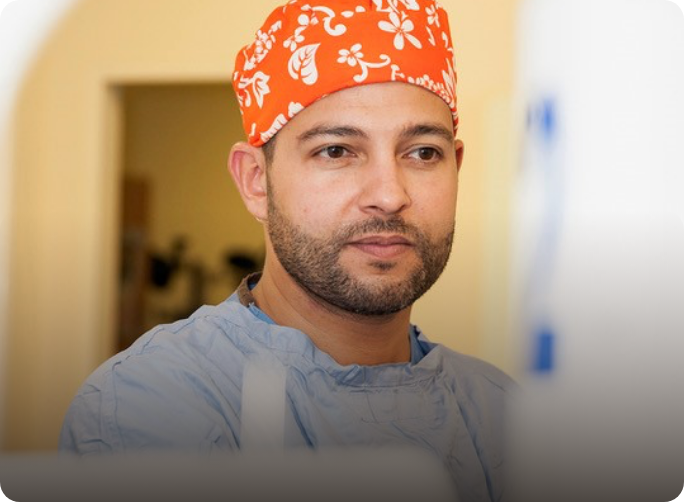
Start Your Journey Toward Recovery with GIST Tumor Surgery
Take the first step toward better well-being with Dr. Sherif Awad’s advanced GIST tumor surgery in Dubai. Regain comfort, restore confidence, and move forward with renewed strength.
