



Lifestyle Changes That Really Help: Diet, Sleep, Weight, and Stress Management for Upper GI Health
1. Diet: Eat Smarter for a Happier Stomach
- Eat smaller, more frequent meals instead of large portions
- Chew slowly and eat mindfully — rushing increases swallowed air and bloating
- Avoid trigger foods, such as:
- Spicy foods
- Fatty or fried meals
- Citrus fruits and tomatoes
- Chocolate and mint
- Caffeinated or carbonated drinks
- Alcohol
- Stay upright for 2–3 hours after meals to prevent reflux
- Keep a food diary to track what worsens your symptoms
2. Sleep: The Position and Timing Matter
Poor sleep habits don’t just leave you tired — they can also worsen upper GI symptoms, especially acid reflux.
Tips for Better Sleep & Digestive Health:
- Don’t eat within 2–3 hours of bedtime
- Elevate the head of your bed (about 15–20 cm) if you suffer from nighttime reflux
- Sleep on your left side, which helps reduce acid from flowing back into the esophagus
- Establish a consistent sleep schedule, which helps regulate digestion and hormone levels
3. Weight: Even Small Losses Can Help
Excess weight, especially around the abdomen, puts pressure on your stomach and can push acid up into the esophagus — a common cause of heartburn and reflux.
Why a Healthy Weight Helps:
- Reduces pressure on the stomach
- Improves stomach emptying
- Decreases inflammation in the gut
You don’t need extreme weight loss to feel better. Losing even 5–10% of your body weight can lead to noticeable improvement in GI symptoms.
Our clinic offers nutrition support and weight management plans tailored to your needs.
4. Stress Management: The Gut-Brain Connection Is Real
Your digestive system is closely connected to your brain — a relationship known as the gut-brain axis. Stress and anxiety can worsen symptoms like indigestion, nausea, reflux, and abdominal pain — even when tests are normal.
How to Reduce Stress for Digestive Relief:
- Try deep breathing, meditation, or progressive muscle relaxation
- Engage in regular physical activity, like walking or yoga
- Prioritize sleep and rest
- Talk to someone — therapy or counseling can help with long-term stress management
- Consider gut-directed hypnotherapy for chronic GI symptoms (evidence-backed!)
When Lifestyle Changes Aren’t Enough
While lifestyle changes are powerful, some upper GI conditions need medical treatment alongside healthy habits. If you’re dealing with symptoms like:
- Persistent heartburn or regurgitation
- Frequent bloating or burping
- Upper stomach pain after meals
- Nausea or early fullness
- Trouble swallowing
it’s time to talk to a specialist.
We’re Here to Help
At Dr Sherif’s clinic we take a holistic approach to digestive health. Our team will help you identify triggers, manage symptoms, and create a lifestyle plan that supports lasting relief — whether you’re dealing with acid reflux, functional dyspepsia, gastritis, or other upper GI issues.
Dr Sherif – Supporting Your Digestive Health, Naturally and Effectively
About Dr Sherif Awad
Dr Sherif is a leading experienced Consultant General, Laparoscopic, Upper Gastrointestinal and Weight Loss Surgeon based at Emirates Speciality Hospital (Healthcare City).
Recent Blogs

Hernia Surgery in Smokers: Increased Risks and Cessation Recommendations
Quick Summary: Smoking significantly increases the risk of complications after hernia surgery, including wound infection, delayed healing, mesh-related problems, and higher rates of hernia recurrence.

Managing GERD During Ramadan: Fasting Safely with Acid Reflux in Dubai
Quick Summary: Ramadan fasting can worsen GERD symptoms because of large, fast-eaten meals at Iftar, long gaps without food or water, and late-night eating before

Understanding Gallstones: Types, Causes, and Risk Factors in the UAE Population
Quick Summary: Gallstones are hardened deposits that form in the gallbladder, and they come in two main types: cholesterol stones (the most common, linked to
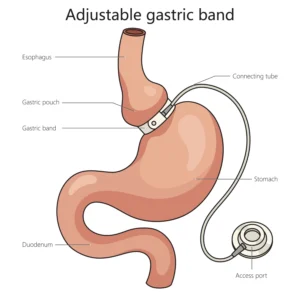
Gastric Band Removal in Dubai: Costs, Surgeon Credentials, Hospital Options, and Recovery Timeline
Gastric band removal in Dubai has become more common as patients seek safer, long-term solutions for weight management. Many individuals face issues such as discomfort,
