


Paraoesophageal & Giant Hiatal Hernia Dubai
Advanced Paraoesophageal and Giant Hiatal Hernia Surgery in Dubai for relief of symptoms. Safety, and Lasting Results.
Paraoesophageal and giant hiatal hernias can cause severe discomfort and complications if not addressed. These conditions may lead to chest pain, swallowing issues, or even breathing problems. In some cases, untreated hernias are associated with gastroesophageal reflux disease (GERD), making timely care essential.
In Dubai, advanced minimally invasive surgical options are available for patients seeking relief and lasting results. This involves repairing the diaphragm opening and repositioning the stomach in the abdomen, helping reduce troublesome symptoms such as difficulty swallowing, chest pain after eating and reflux. Patients can expect modern techniques designed to support quicker recovery and long-term stability.
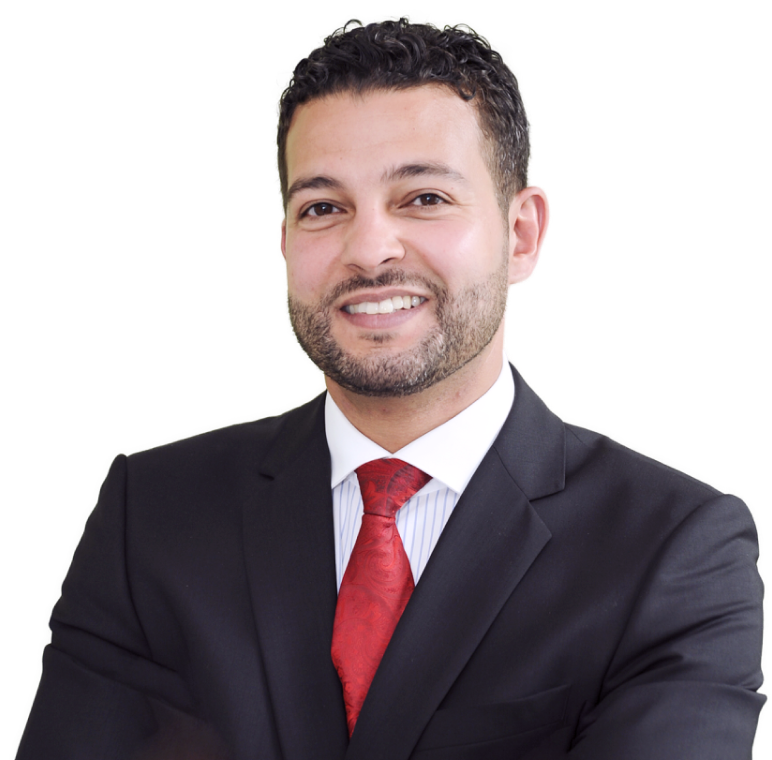
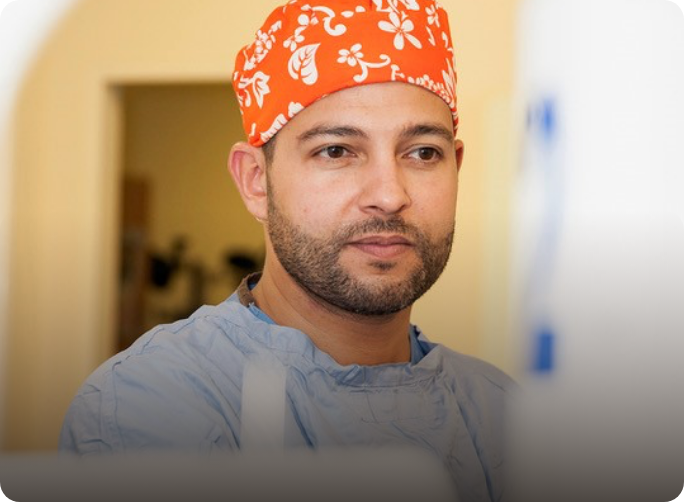
Dr. Sherif Awad is highly experienced in this area. He has over a decade of experience in performing complex minimally invasive surgery on the stomach and esophagus, and his skill gives patients confidence when they need specialized hiatal hernia treatment.
Understanding Paraoesophageal Hernia Process in Dubai
When a paraoesophageal hernia occurs, part of the stomach pushes through the diaphragm into the chest. This can create symptoms that interfere with eating. Some people may notice dysphagia (difficulty swallowing), while others experience chest pain after eating or recurring heartburn/reflux. The care process begins with a thorough evaluation. Diagnostic tests such as endoscopy or CT imaging may be recommended to confirm the size, position of the hernia and rule out other causes of the symptoms. These steps ensure the anatomical features of the hernia are understood in detail. Once the condition is fully assessed, the treatment plan is outlined.
- For some, lifestyle adjustments and medications may help reduce discomfort.
- In other cases, surgery is suggested to repair the hernia and prevent complications.
This approach remains focused on providing clarity and guiding you through each stage with care.
Eligibility Criteria for Paraoesophageal & Giant Hiatal Hernia Repair in Dubai
- Candidates with difficulty swallowing, chest pain after eating or persistent regurgitation and acid reflux that disrupts daily life.
- Individuals experiencing early satiety and discomfort after small meals.
- Patients dealing with frequent nausea or vomiting linked to the hiatal hernia.
- Those with significant reflux symptoms that are not responding to medical treatment.
- Individuals diagnosed with gastric rotation or volvulus who are at risk of developing an obstruction.
- Symptoms from a giant hiatal hernia pressing on the lungs.
- Cases where incarceration of the stomach has been confirmed.
- Patients whose quality of life is affected by a progressive or large hernia size.
Book A Consultation with Dr Sherif Awad to Determine If Paraoesophageal & Giant Hiatal Hernia Repair Surgery is Right for You.
Laparoscopic Hiatal Hernia Repair in UAE
The Procedure
- Before Surgery
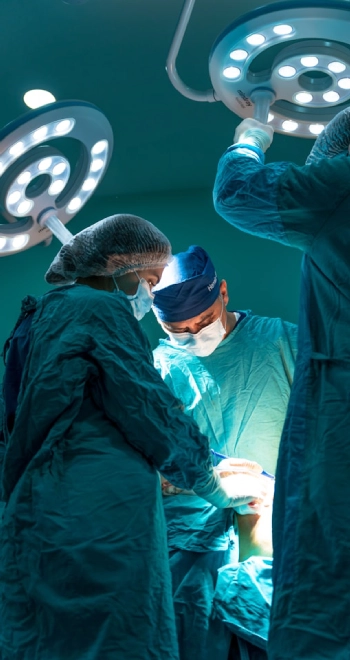
- During Surgery
- After Surgery
- The process begins with a thorough evaluation of symptoms and a review of the patient’s medical history.
- Diagnostic tests such as endoscopy are often performed to assess the esophagus and stomach.
- A barium swallow study may be used to visualize the hernia and reflux pattern.
- In some cases, CT scan imaging provides additional details about the anatomy.
- Dr. Sherif will explain the findings and outline the most suitable treatment plan.
- Patients receive guidance on preoperative preparation, including fasting and medication adjustments.
- Small incisions are created, and specialized instruments are inserted.
- The stomach and diaphragm are carefully repaired to restore normal anatomy.
- Any hernia sac present is removed to reduce the risk of recurrence.
- The opening in the diaphragm is reinforced with sutures or mesh if needed.
- The surgery is usually completed in a 1-2 hours under general anesthesia.
- Patients are closely monitored as they recover from anesthesia.
- A gradual return to liquids and soft foods is recommended in the early days.
- Pain relief and postoperative care instructions are provided to ensure comfort and well-being.
- Follow-up visits are scheduled to monitor healing and progress.
- Most patients return to light activities within a short period.


Client Stories:
Real-Life
Transformations
Remarkable Care and Results
I was anxious before treatment, but Dr. Sherif Awad explained every step with great clarity. The laparoscopic approach made recovery much smoother than I expected. His calm manner and professional skill stood out. The hernia symptoms I struggled with for years are finally gone. I feel healthier and more confident in daily life. I would recommend him to anyone considering fundoplication surgery in Dubai for reliable, long-term relief.

Ayesha K., Dubai
Expert Hands, Lasting Comfort
Dr. Sherif Awad performed my hernia repair using a tension-free repair method. I noticed the benefits almost immediately after recovery began. Breathing and eating became easier, and the discomfort I had carried for so long disappeared. His approach was thorough and patient-centered, and his surgical expertise is outstanding. The hospital team was also supportive throughout. I am grateful to finally regain comfort and energy thanks to his precise treatment.
Omar R., Dubai
Professionalism Beyond Expectations
From the first consultation, Dr. Sherif Awad’s professionalism gave me peace of mind. He used the fundoplication technique to treat my condition, and the results have been life-changing. His explanation of the procedure and the aftercare was reassuring, and he truly listened to my concerns. The surgery was seamless, and my recovery went smoothly. Today, I live free from pain and discomfort. I highly recommend his expert care to others.


Risks and Considerations for Hiatal Hernia Surgery
Surgery for a hiatal hernia is generally safe, but like any procedure, it carries certain risks and considerations. Understanding them helps patients make informed decisions and prepare for the journey ahead.
- Bleeding or infection can occur, though these complications are uncommon when performed with advanced laparoscopic techniques.
- Some patients may experience temporary difficulty swallowing, which typically improves as the healing process progresses.
- There is a small chance of hernia recurrence, which may require ongoing follow-up and lifestyle adjustments.
- Gas bloat or discomfort can develop if the stomach has a limited ability to release air.
- Damage to nearby organs is rare, but it is a potential risk that surgeons carefully work to avoid.
- The recovery time after hiatal hernia surgery varies, but most people return to normal activities within a few weeks.
It is also essential to consider the risks of untreated paraoesophageal hernia, which may include obstruction, strangulation, or bleeding.
Careful evaluation by a specialist ensures that the benefits outweigh the risks and that surgery is the right step.
By being aware of these considerations, patients can approach surgery with realistic expectations. The goal is to restore comfort, prevent complications, and improve long-term quality of life.
Your Recovery Journey After Paraoesophageal & Hiatal Hernia Surgery in Dubai
Allow around two weeks for your body to recover and return to normal activity levels. It is common to feel some fatigue as healing progresses.
Dietary Progression
- Day 1 - 2 Weeks: Begin with clear liquids and broths to allow the stomach and esophagus to settle.
- 2 Weeks: Gradually move to pureed and smooth foods.
- 4 Weeks: TrIntroduce soft, easily chewable meals.
- 6 Weeks: Transition carefully to regular textured foods as tolerated.


Key Guidelines to Follow for Laparoscopic Hiatal Hernia Repair in Dubai
- Chew every bite slowly and thoroughly to ease swallowing and digestion.
- Do not drink during meals, as it may cause discomfort or overfilling.
- Sip liquids about 20 minutes before or after eating, rather than with food.
- Stay away from fizzy beverages and avoid high-calorie snacks that add strain.
Positive Outcome of Paraoesophageal & Giant Hiatal Hernia Treatment
Successful treatment of a paraoesophageal or giant hiatal hernia can bring lasting improvements to both health and daily life. Below are key positive outcomes often reported after surgical repair:
- Relief from persistent reflux symptoms, allowing comfortable eating without constant irritation.
- Elimination of swallowing difficulties, so meals can be enjoyed without fear of food sticking.
- Reduction in chest discomfort and pressure, creating ease in breathing and physical movement.
- Lower risk of complications such as obstruction or bleeding linked to untreated hernias.
- Improved digestion and energy levels, supporting overall better health and increased activity.
- Freedom from emergency risks, such as twisting or incarceration of the stomach.
- Noticeable improvement in sleep quality, as nighttime reflux and regurgitation is minimized.
- Enhanced quality of life, as patients return to work, exercise, and social life with confidence.
These outcomes reflect the value of accurate diagnosis, precise surgical care, and personalized follow-up.

FAQs:
Common Questions About Paraoesophageal & Hiatal Hernia Surgery
A paraoesophageal hernia occurs when part of the stomach slips through the diaphragm beside the esophagus. It may remain silent for years or cause issues such as gastroesophageal reflux disease (GERD). Symptoms vary depending on size and position. Evaluation is important to prevent complications.
A hiatal hernia is considered “giant” when a large portion of the stomach or other organs moves into the chest cavity. This can significantly affect digestion and breathing. Larger hernias often cause severe symptoms. They also carry a higher risk of complications.
Common signs include dysphagia (difficulty swallowing), persistent chest pain, heartburn, regurgitation, or discomfort after meals. Patients may feel full quickly, a condition known as early satiety, or nausea/vomiting. Some notice shortness of breath. Medical assessment helps confirm the diagnosis.
Surgery is often recommended when symptoms are severe or complications are likely. Urgency increases if risks such as volvulus, incarceration, or strangulation are present. These can become life-threatening if left untreated. Early intervention reduces danger and restores comfort.
Yes, fundoplication is a widely performed procedure with a strong safety record. It is designed to strengthen the valve between the stomach and esophagus. Most patients experience lasting relief after surgery. Risks are minimal when performed by an experienced surgeon.
Most patients return to light activity within 2 to 3 weeks. Complete recovery may take 6 to 8 weeks, depending on overall health. The diet progresses gradually from liquids to solid food. Long-term outcomes are often excellent.
Yes, especially larger hernias that press on the lungs or diaphragm. Shortness of breath may appear during meals or physical activity. Some patients also notice discomfort when lying down. Surgical repair often relieves these symptoms.
Leaving a hernia untreated may worsen reflux and swallowing problems. It can also lead to bleeding or gastric obstruction. In severe cases, strangulation of the stomach may occur. Timely repair prevents these serious outcomes.
The cost depends on the hospital, surgeon, and the complexity of the procedure. On average, surgery ranges between AED 45,000 and AED 70,000. This estimate usually includes hospitalization and basic care. A consultation provides a more accurate breakdown. Usually insurance companies will cover the associated costs of treatment.
Dr. Sherif Awad: The Best Surgeon for Paraoesophageal Hernia in Dubai
Don’t let symptoms of a paraoesophageal or giant hiatal hernia affect your ability to eat and well-being. Take the first step toward effective treatment in Dubai with Dr. Sherif Awad, an experienced specialist in hernia repair.
- Expertise: Dr. Sherif Awad is highly skilled in advanced minimally invasive and keyhole surgical techniques. He is an expert in the Nissen fundoplication surgical procedure.
- Proven Track Record: With over a decade of surgical experience, he has successfully managed complex hernia cases in hundreds of patients.
- Patient-Centric Care: Each treatment plan is tailored to your individual symptoms and health needs.
- Locations: Consultations and surgeries are available at Emirates Specialty Hospital, Dubai Healthcare City.
- Better Future: Restore comfort and prevent complications with precise surgical care.
Book a consultation with Dr. Sherif Awad to learn if hernia repair is the right option for you.

Sleeve Revision to Gastric Bypass
Mini Gastric Bypass Revision to Roux En-Y
Expert Care for
Paraoesophageal & Giant Hiatal Hernia in Dubai
Take the first step toward relief from paraoesophageal and giant hiatal hernia with Dr. Sherif Awad’s advanced laparoscopic repair service in Dubai. Regain comfort, prevent complications, and restore quality of life with expert care.
