


Breathlessness and Chest Pain: Atypical Symptoms of Paraoesophageal Hernia
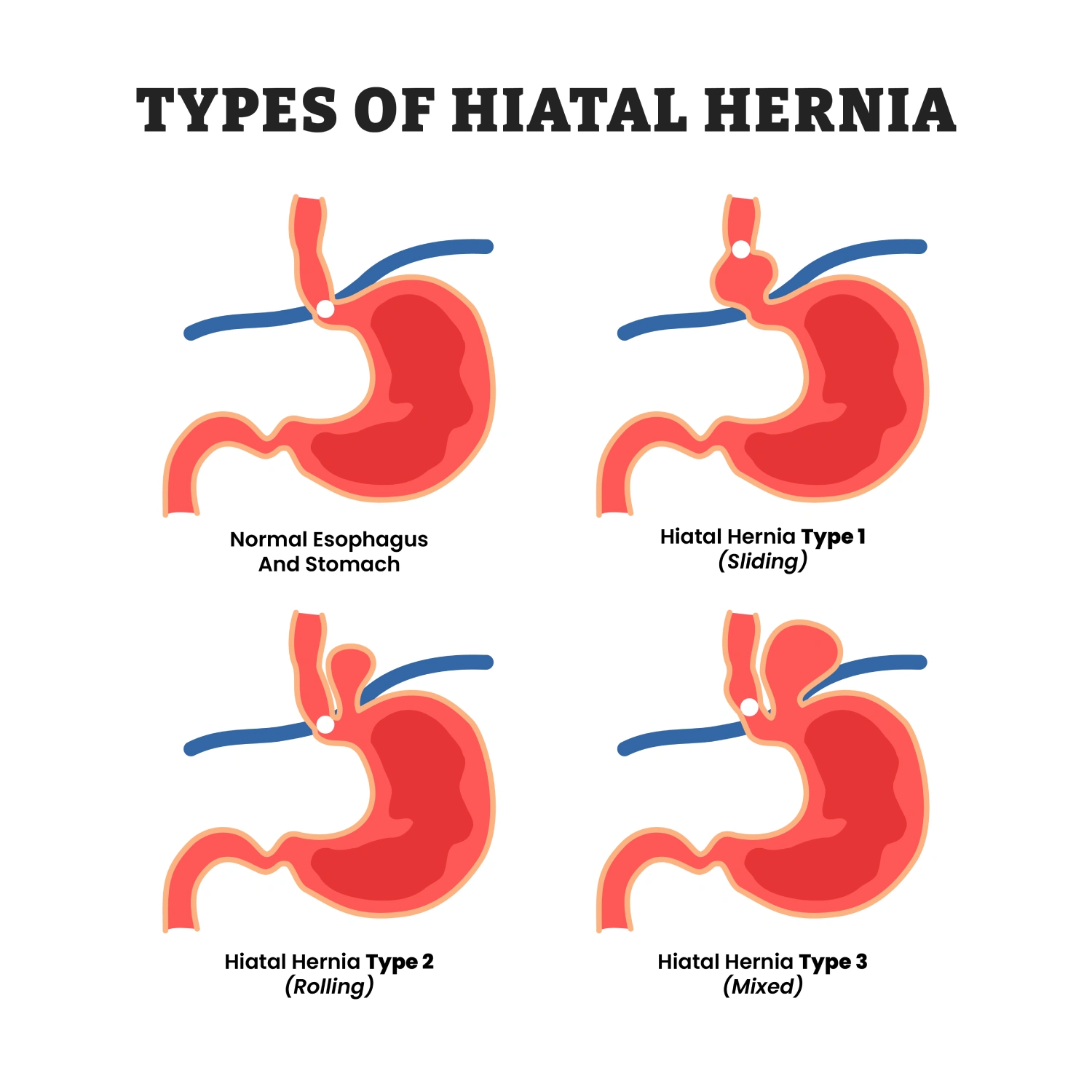
Breathlessness and chest discomfort usually lead people to think about heart or lung problems. However, in many cases in Dubai, doctors are seeing these symptoms linked to a lesser-known digestive condition called a paraoesophageal hernia. With the city’s fast-paced lifestyle, long working hours, weight gain, and rising cases of acid reflux, this condition appears more frequently among residents. A paraoesophageal hernia occurs when part of the stomach moves through the diaphragm and sits beside the esophagus.
While many expect heartburn as the main symptom, some patients experience breathing difficulty or pressure in the chest instead. These unusual signs can make diagnosis confusing because they resemble heart or respiratory issues. Healthcare specialists in Dubai increasingly evaluate such symptoms with advanced imaging tests. When the condition causes ongoing discomfort or complications, paraoesophageal hernia surgery in Dubai may be recommended to reposition the stomach and restore normal breathing and chest comfort.
Keep reading to learn how a paraoesophageal hernia can lead to breathlessness, chest discomfort, and the treatment options available in Dubai.
Understanding Paraesophageal Hernia in Dubai: A Silent but Serious Condition
A paraoesophageal hernia occurs when part of the stomach moves through the diaphragm and settles beside the esophagus. The diaphragm normally separates the chest from the abdomen and keeps the stomach in place. When the opening weakens, the stomach can push upward into the chest cavity. This condition is less common than other hiatal hernias, but it can become serious if ignored. Some people experience mild symptoms, while others may feel chest pressure, fullness after meals, or discomfort while swallowing. In certain situations, the stomach may become trapped, which can affect normal digestion. Doctors may recommend paraoesophageal hernia surgery when symptoms become severe or when complications begin to develop.
How It Differs from Common Hiatal Hernias
In Dubai, most hiatal hernias are sliding hernias. In that type, the stomach and lower part of the esophagus move upward through the diaphragm together. This movement often causes acid reflux, heartburn, or irritation in the esophagus. A paraoesophageal hernia is different because the stomach moves beside the esophagus rather than sliding with it. The esophagus usually stays in its normal position. This unusual placement can create pressure in the chest and may affect nearby organs, which explains why symptoms can feel different.
Why It Often Goes Undetected
Paraoesophageal hernias often remain unnoticed for a long time. Early symptoms may be mild or appear only after large meals. People may feel slight chest discomfort, fullness, or occasional breathing difficulty. These signs are easy to mistake for common digestive issues. Routine examinations or imaging tests sometimes reveal the condition unexpectedly. Medical evaluations help doctors identify the hernia and decide the most suitable treatment plan.
Why Breathlessness and Chest Pain Can Occur in Paraesophageal Hernia
Breathlessness and chest pain can occur when part of the stomach moves upward through the diaphragm. In a paraoesophageal hernia, the stomach slips beside the esophagus instead of staying fully in the abdomen. This unusual position can create pressure inside the chest area. As space becomes limited, people may feel tightness or discomfort in their chest and notice that breathing feels more difficult during normal activities.
Symptoms often appear after eating large meals because the stomach expands and pushes further into the chest cavity. Bending forward, lying flat, or sudden movement can also increase discomfort. Some individuals describe a heavy or squeezing feeling in their chest. Because these symptoms are not widely known signs of a paraoesophageal hernia, they are sometimes mistaken for common digestive problems.
How a Paraesophageal Hernia Affects the Lungs and Heart
A paraoesophageal hernia occurs when part of the stomach pushes through the diaphragm and sits beside the esophagus in the chest cavity. Unlike more common types of hiatal hernia, this condition may not always cause typical digestive symptoms. Instead, it can influence nearby organs such as the lungs and heart.
Pressure on the Diaphragm and Reduced Lung Expansion
Diaphragm plays a key role in breathing. It moves downward when you inhale, allowing the lungs to expand and fill with air. When part of the stomach moves above the diaphragm, it can interfere with this natural movement. This pressure limits how far the lungs can expand. As a result, breathing may feel shallow or uncomfortable. Some people notice shortness of breath during physical activity, while others feel it during routine daily tasks. Even small movements can create a sensation of tightness in the chest.
Compression of the Heart and Nearby Structures
When the stomach occupies space in the chest, nearby organs may also feel the pressure. The heart sits close to the diaphragm, so a hernia can sometimes create discomfort in this area. This compression may produce chest pain that feels similar to cardiac symptoms. Some individuals describe a sense of heaviness or pressure behind the breastbone. In certain cases, discomfort may spread toward the upper abdomen or back. The pressure can also affect surrounding nerves and blood vessels, which may contribute to irregular sensations in the chest.
Post-Meal Symptoms and Positional Breathlessness
Symptoms often become more noticeable after eating. A full stomach expands and increases pressure inside the chest cavity. This can make breathing more difficult, especially after large meals. Some people also notice changes in symptoms based on body position. Breathlessness may worsen when bending forward, lying flat, or reclining soon after eating. Sitting upright or standing may temporarily relieve the pressure. These positional changes occur because gravity shifts the stomach’s location inside the chest. Over time, repeated episodes of post-meal discomfort and breathing difficulty can signal an underlying structural problem that requires medical evaluation.
Diagnosis and Treatment Options for Symptomatic Paraesophageal Hernia
Dr Sherif Awad and his team diagnose symptomatic paraoesophageal hernia using imaging tests and clinical evaluation. Treatment may include lifestyle changes, medication, or surgery for severe symptoms.
- Diagnostic Tests: Physicians often begin with clinical review and imaging tests such as chest X-rays, CT scans, barium swallow studies, and upper endoscopy. These tools help determine stomach displacement, assess severity, and detect complications including obstruction, inflammation, or pressure on nearby organs.
- Non-Surgical Treatments: Some patients manage symptoms through practical lifestyle adjustments. Smaller meals, maintaining a healthy weight, avoiding late-night eating, and staying upright after meals can reduce discomfort. Medications may also control reflux, irritation, and pressure related to the hernia.
- Surgical Treatments: Persistent breathlessness, chest discomfort, or complications may require surgical repair. The procedure repositions the stomach and strengthens the diaphragm opening. This approach helps restore normal anatomy, relieve pressure on nearby organs, and improve daily breathing and digestive comfort.
Why Patients Consider Dr Sherif Awad for Paraoesophageal Hernia Surgery in Dubai
Living with a paraoesophageal hernia can cause ongoing chest pressure, reflux, early fullness after meals, and episodes of breathlessness. These symptoms may interfere with daily activities and often require careful medical evaluation. My team and I focus on understanding each patient’s symptoms, medical history, and diagnostic findings before discussing treatment options.
A structured assessment usually includes imaging studies, endoscopy, and a detailed review of symptom patterns. We explain the condition clearly, so patients understand how the hernia affects the stomach, diaphragm, and nearby organs. Patients seeking Paraoesophageal hernia surgery in Dubai often value our clear guidance, minimally invasive surgical approaches, and careful follow-up care that supports recovery and long-term symptom relief.
Get Expert Guidance for Paraoesophageal Hernia Symptoms
If persistent chest discomfort, reflux, or breathlessness affects daily life, timely medical advice can help prevent complications. Dr sherif evaluate symptoms and discuss suitable treatment options based on individual needs. Schedule a consultation to discuss symptoms, understand the condition better, and explore effective surgical solutions for lasting relief.
Take control of your symptoms today. Book your consultation with Dr Sherif Awad!
About Dr Sherif Awad
Dr Sherif is a leading experienced Consultant General, Laparoscopic, Upper Gastrointestinal and Weight Loss Surgeon based at Emirates Speciality Hospital (Healthcare City).