


Understanding pH and Manometry Tests for GERD: What to Expect and Why They Matter
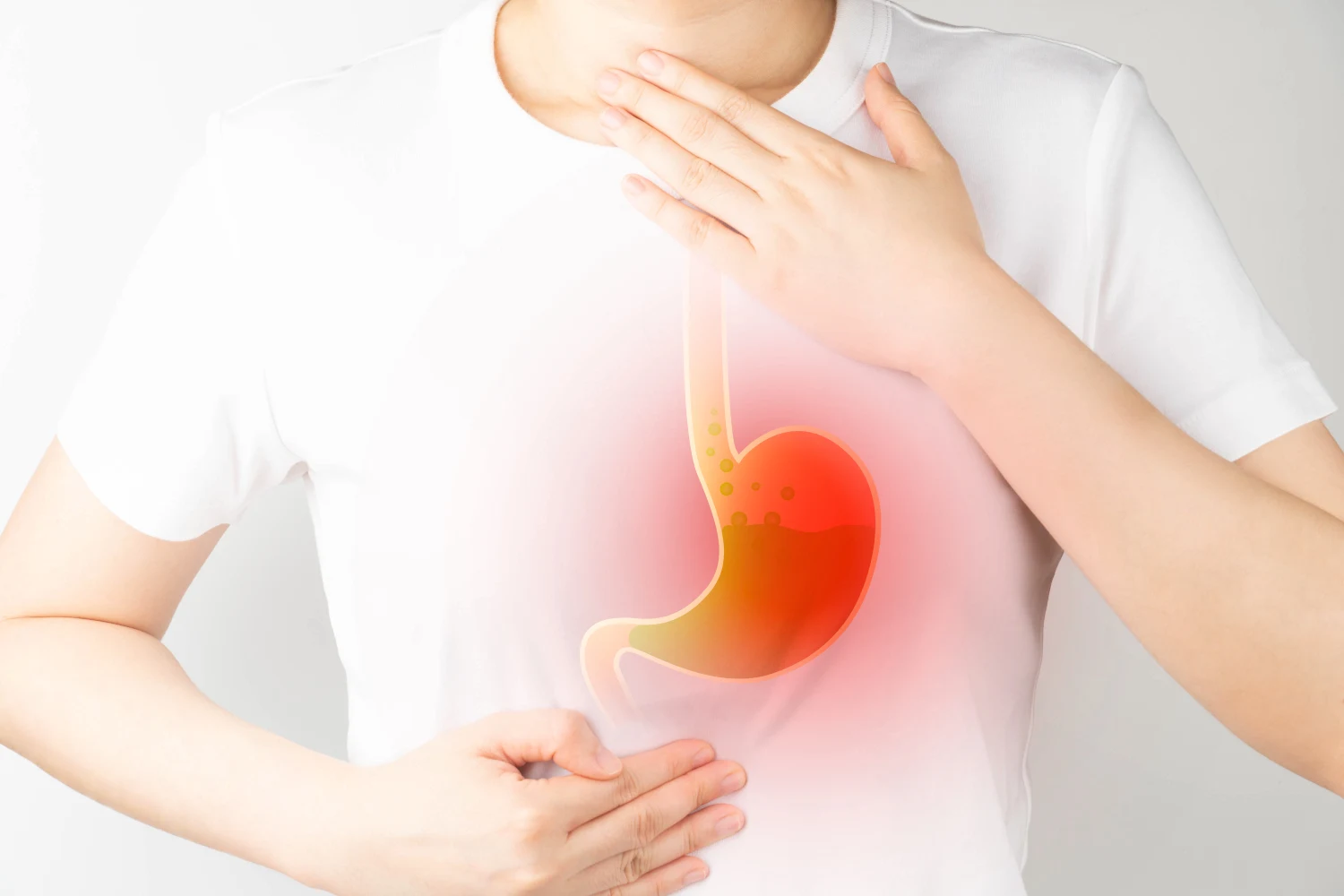
If you’ve been dealing with ongoing symptoms of GERD (Gastroesophageal Reflux Disease)—like heartburn, chest discomfort, or a chronic cough—your doctor may recommend a couple of specialized tests: esophageal pH monitoring and esophageal manometry.
These tests may sound a little intimidating at first, but don’t worry. They’re both safe, outpatient procedures that provide important information about what’s happening in your esophagus (the tube that carries food from your mouth to your stomach).
In this post, we’ll break down:
- What these tests are
- Why your doctor might order them
- What the experience is like
- What the results can tell you
First, Why Are These Tests Done?
Before jumping into medications or surgery, doctors want to be sure they understand exactly what’s causing your symptoms. While GERD is common, not everyone with symptoms actually has acid reflux. These tests help:
- Confirm whether acid is really coming up from your stomach
- Measure how well your esophagus is working
- Decide the best course of treatment
What Is a pH Study?
The esophageal pH study measures how often and how much acid flows from your stomach into your esophagus over a 24–hour period.
There are two main types:
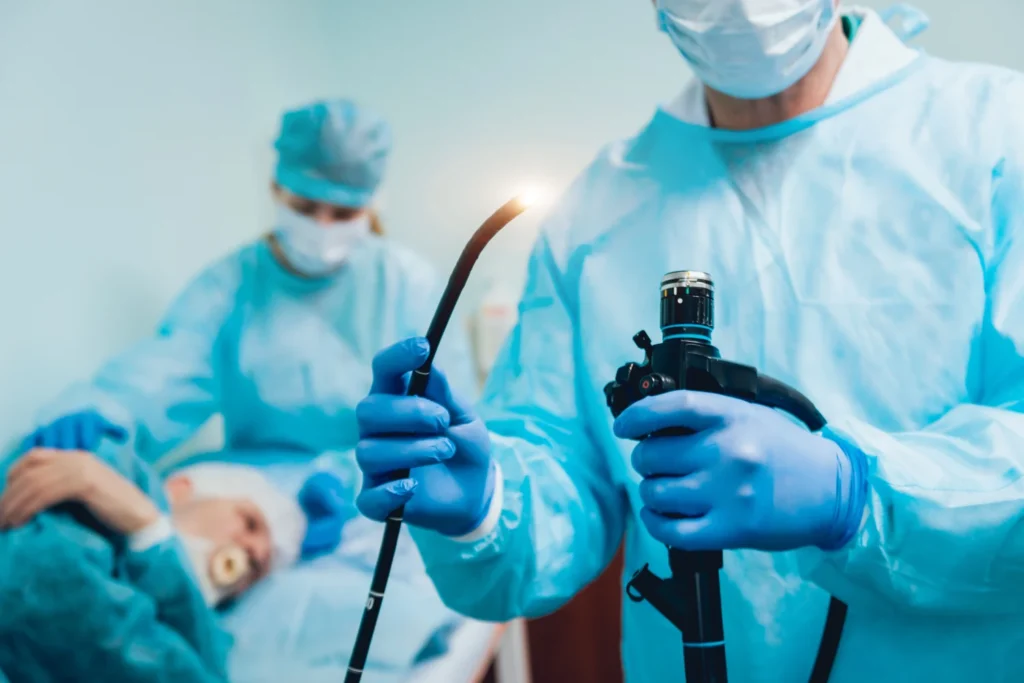
- Traditional pH Monitoring: A thin tube (catheter) is inserted through your nose into your esophagus. It stays in place for 24 hours and is connected to a small recording device.
- Wireless pH Monitoring (Bravo capsule): A small capsule is placed in your esophagus during a short endoscopy. It wirelessly transmits acid levels to a receiver you wear on your belt for 48-96 hours before naturally falling off and passing through your digestive tract.
During the test:
- You’ll go about your normal day, eat your usual meals, and keep a diary of symptoms.
- The device tracks when acid reflux occurs and how it correlates with your symptoms.
What It Shows:
- How often acid enters the esophagus
- How long the acid stays there
- Whether your symptoms are related to acid reflux
Types of Hernia Repair Surgery
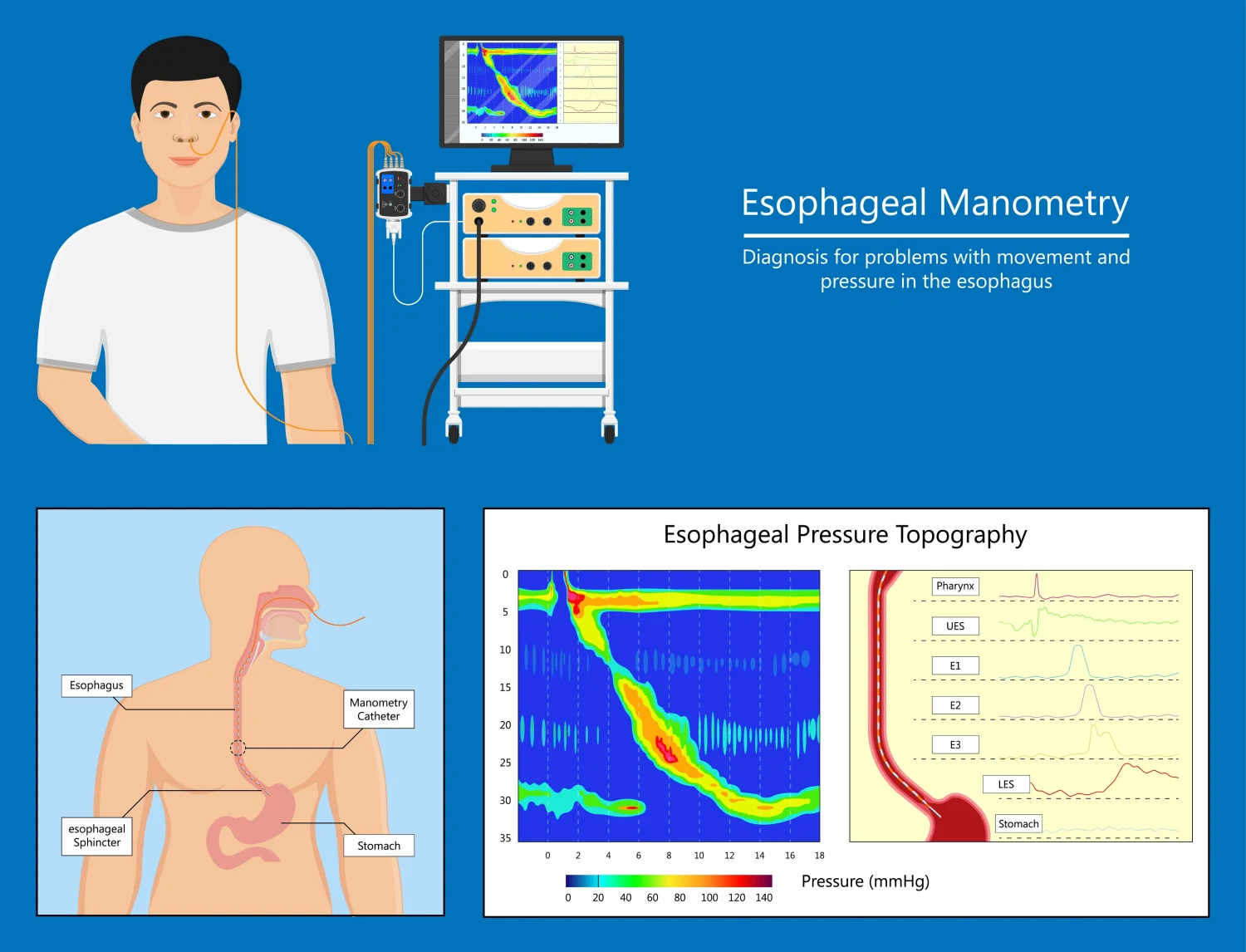
Manometry measures the muscle strength and coordination of your esophagus.
It helps doctors understand:
- How well your esophagus moves food and liquid into your stomach
- Whether the lower esophageal sphincter (LES)—the valve between the esophagus and stomach—is working properly
During the test:
- A very thin, flexible tube is passed through your nose into your esophagus while you’re awake.
- You’ll be asked to swallow water several times.
- The test lasts about 30 minutes and is usually done before pH monitoring.
It may sound uncomfortable, but:
- It’s not painful
- Most people tolerate it well
- There’s no sedation needed, and you can go home right after
Why These Tests Matter
Not all acid reflux is caused by too much stomach acid—and not all symptoms that feel like reflux are due to GERD. These tests help differentiate GERD from other conditions, such as:
- Functional heartburn
- Esophageal motility disorders (like achalasia)
- Non-acid reflux
Accurate testing means better treatment—whether that’s medication, lifestyle changes, or surgery like Fundoplication or LINX®.
What to Expect Before and After
Before:
- You may need to stop acid-reducing medications (like PPIs) several days in advance.
- You’ll get specific instructions about fasting or eating.
After:
- You can return to normal activities.
- If you had the Bravo capsule, it will naturally pass in your stool within a few days.
Final Thoughts
If your GERD symptoms just won’t go away, pH and manometry studies can provide clear answers. They take the guesswork out of diagnosis and help your care team choose the most effective path forward.
Yes, having a tube in your nose for a day might not be fun—but it’s worth it for the peace of mind and personalized care you’ll gain.
Schedule a Consultation
Got questions or concerns about testing? Speak to Dr Sherif – Consultant Laparoscopic and Upper Gastrointestinal Surgeon who has a specialist interest in investigating and treating GERD. He will walk you through exactly what to expect and why it’s important in your specific case.
Disclaimer: This blog is for informational purposes only and should not replace professional medical advice. Always consult your doctor about your symptoms and treatment options.
Contact us for more information:
Contact us for more information
About Dr Sherif Awad
Dr Sherif is a leading experienced Consultant General, Laparoscopic, Upper Gastrointestinal and Weight Loss Surgeon based at Emirates Speciality Hospital (Healthcare City).