

Lifestyle Changes That Really Help: Diet, Sleep, Weight, and Stress Management for Upper GI Health
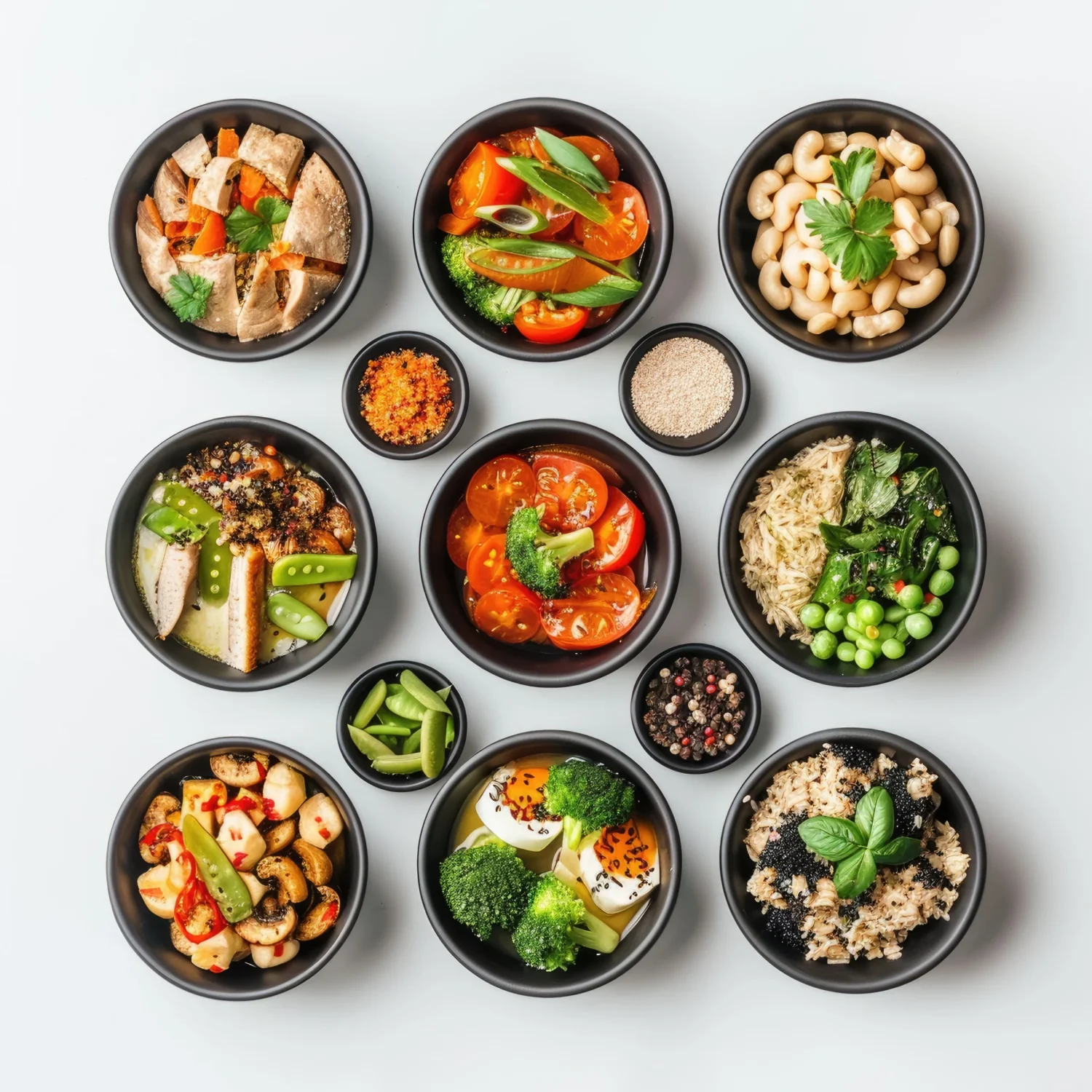
1. Diet: Eat Smarter for a Happier Stomach
- Eat smaller, more frequent meals instead of large portions
- Chew slowly and eat mindfully — rushing increases swallowed air and bloating
- Avoid trigger foods, such as:
- Spicy foods
- Fatty or fried meals
- Citrus fruits and tomatoes
- Chocolate and mint
- Caffeinated or carbonated drinks
- Alcohol
- Stay upright for 2–3 hours after meals to prevent reflux
- Keep a food diary to track what worsens your symptoms
2. Sleep: The Position and Timing Matter
Poor sleep habits don’t just leave you tired — they can also worsen upper GI symptoms, especially acid reflux.
Tips for Better Sleep & Digestive Health:
- Don’t eat within 2–3 hours of bedtime
- Elevate the head of your bed (about 15–20 cm) if you suffer from nighttime reflux
- Sleep on your left side, which helps reduce acid from flowing back into the esophagus
- Establish a consistent sleep schedule, which helps regulate digestion and hormone levels
3. Weight: Even Small Losses Can Help
Excess weight, especially around the abdomen, puts pressure on your stomach and can push acid up into the esophagus — a common cause of heartburn and reflux.
Why a Healthy Weight Helps:
- Reduces pressure on the stomach
- Improves stomach emptying
- Decreases inflammation in the gut
You don’t need extreme weight loss to feel better. Losing even 5–10% of your body weight can lead to noticeable improvement in GI symptoms.
Our clinic offers nutrition support and weight management plans tailored to your needs.
4. Stress Management: The Gut-Brain Connection Is Real
Your digestive system is closely connected to your brain — a relationship known as the gut-brain axis. Stress and anxiety can worsen symptoms like indigestion, nausea, reflux, and abdominal pain — even when tests are normal.
How to Reduce Stress for Digestive Relief:
- Try deep breathing, meditation, or progressive muscle relaxation
- Engage in regular physical activity, like walking or yoga
- Prioritize sleep and rest
- Talk to someone — therapy or counseling can help with long-term stress management
- Consider gut-directed hypnotherapy for chronic GI symptoms (evidence-backed!)
When Lifestyle Changes Aren’t Enough
While lifestyle changes are powerful, some upper GI conditions need medical treatment alongside healthy habits. If you’re dealing with symptoms like:
- Persistent heartburn or regurgitation
- Frequent bloating or burping
- Upper stomach pain after meals
- Nausea or early fullness
- Trouble swallowing
it’s time to talk to a specialist.
We’re Here to Help
At Dr Sherif’s clinic we take a holistic approach to digestive health. Our team will help you identify triggers, manage symptoms, and create a lifestyle plan that supports lasting relief — whether you’re dealing with acid reflux, functional dyspepsia, gastritis, or other upper GI issues.
Dr Sherif – Supporting Your Digestive Health, Naturally and Effectively
About Dr Sherif Awad
Dr Sherif is a leading experienced Consultant General, Laparoscopic, Upper Gastrointestinal and Weight Loss Surgeon based at Emirates Speciality Hospital (Healthcare City).
Recent Blogs

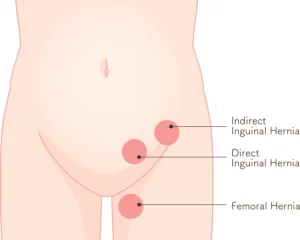
Inguinal Hernia Surgery in Dubai: Laparoscopic vs Open Repair Explained
Inguinal hernias are becoming more common in Dubai due to several lifestyle and environmental factors. Many residents lead sedentary lives with long hours spent sitting
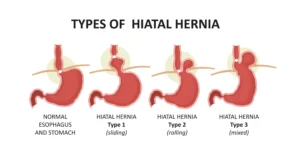
Cameron Lesions and Paraoesophageal Hernia: Understanding Bleeding Complications
Cameron lesions and paraoesophageal hernia are closely related conditions that can lead to serious health issues. Cameron lesions are small ulcers that develop in the
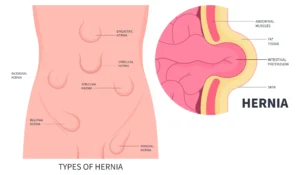
Preventing Hernia Recurrence: Post-Surgical Care and Lifestyle Modifications
Hernia recurrence can be a major concern after surgery, but with proper care, it is possible to prevent it. After undergoing hernia surgery, the recovery
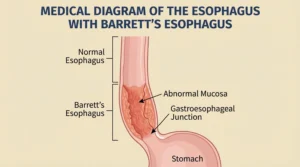
Barrett’s Esophagus: Why Untreated GERD Requires Monitoring and Treatment (GERD Cancer Risk)
Untreated GERD can lead to serious health issues, one of which is Barrett’s Esophagus, a condition where the lining of the esophagus changes due to
