


Preventing Hernia Recurrence: Post-Surgical Care and Lifestyle Modifications
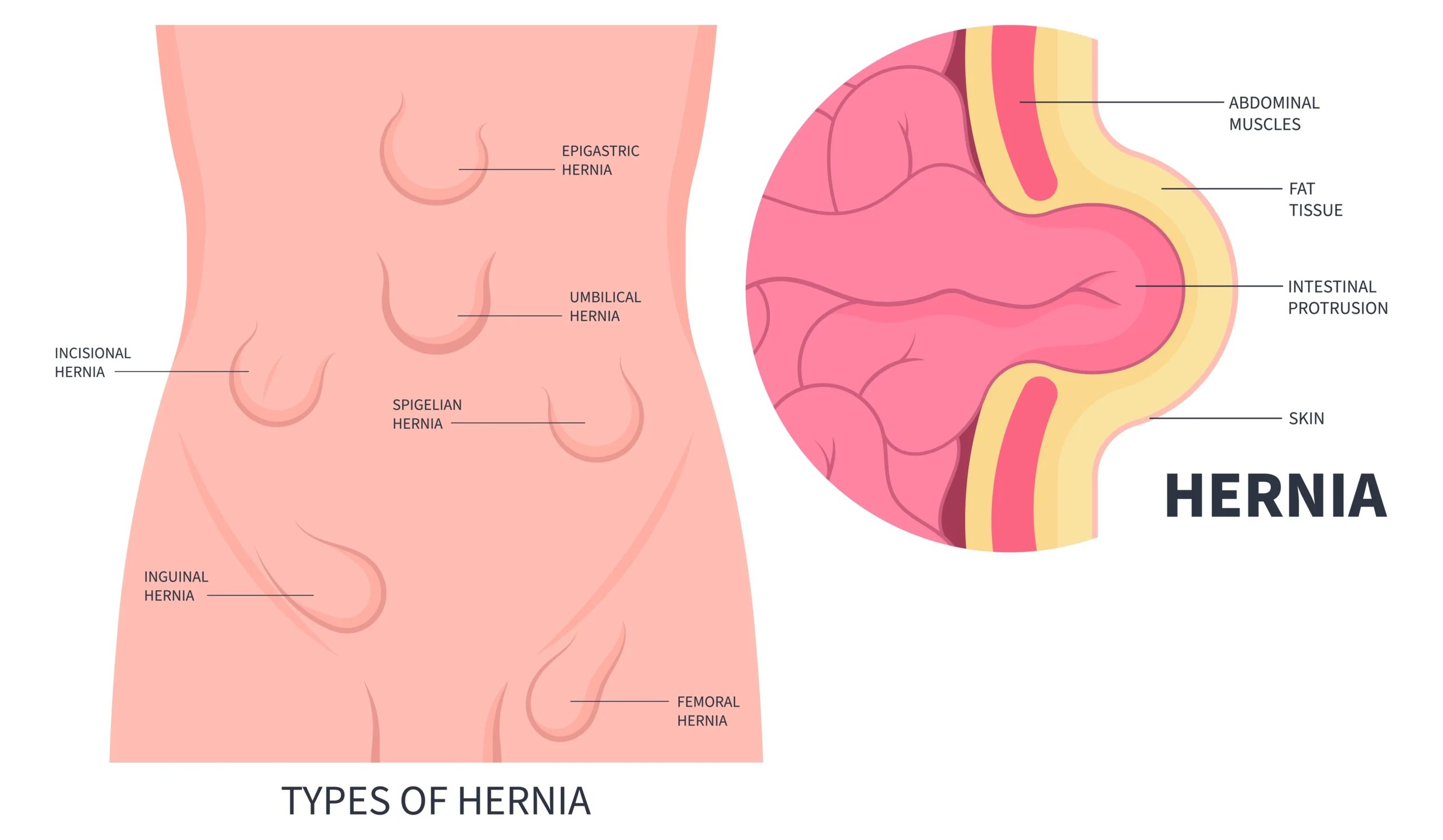
Hernia recurrence can be a major concern after surgery, but with proper care, it is possible to prevent it. After undergoing hernia surgery, the recovery process plays a crucial role in ensuring long-term success. Following your doctor’s post-surgical instructions carefully is essential to avoid strain and promote healing. It’s equally important to make lifestyle modifications that support your recovery, such as avoiding heavy lifting and adopting a balanced diet. Regular exercise, under medical guidance, can also strengthen muscles and reduce the risk of recurrence. Post-surgical care and mindful habits are key to maintaining your health and preventing future issues. By focusing on these steps, you can ensure a smooth recovery and a healthier future.
Dr. Sherif Awad is recognized as one of the top Hernia surgeons in Dubai, specializing in hernia treatment. Known for his exceptional skill and attention to detail, he is committed to providing patients with comprehensive care.
The Role of Proper Post-Surgical Care in Preventing Recurrence
Proper post-surgical care is essential to minimize the risk of complications and prevent recurrence. By following your surgeon’s instructions carefully, you ensure a smoother recovery and can avoid unnecessary setbacks. Adhering to your surgeon’s guidelines helps manage pain, reduce swelling, and ensure that your body heals properly. This will lower the chances of any issues during your recovery process.
Keeping your wound clean and following proper hygiene practices is vital in preventing infection. Infections can cause serious delays in recovery and may lead to further complications. Pay attention to any unusual symptoms such as excessive pain, redness, or swelling. Early detection of complications can help you address them before they become severe.
Understanding Hernia Recurrence and Its Causes
Hernia recurrence is a concern for many individuals after surgery. While the majority of hernia repairs are successful, recurrence can happen. It’s essential to understand the mechanisms and factors contributing to this issue, as well as the role post-surgical care plays in its prevention.
The Mechanisms Behind Hernia Recurrence
A hernia occurs when an internal organ or tissue bulges through a weak spot in the surrounding muscle or connective tissue. After surgical repair, the tissue may not heal properly, or the muscle wall may not regain its full strength. This can result in the recurrence of hernia. The failure of the surgical repair can occur for various reasons, such as sutures cutting out, inadequate mesh placement, or the body’s inability to heal the tissue adequately.
Common Factors Contributing to Hernia Recurrence
Several factors increase the likelihood of a hernia recurring. One of the most significant factors is pressure on the area of repair. This can occur due to heavy lifting, excessive strain, or even chronic coughing. Other contributing factors include obesity, smoking, and poor nutrition. Additionally, conditions like chronic constipation or excessive fluid retention can also place added pressure on the abdominal region, making recurrence more likely. Hernia recurrence is more common in patients with pre-existing health conditions or weakened immune systems, which can interfere with proper healing.
How Post-Surgical Care Affects Recurrence Rates
Post-surgical care plays a crucial role in preventing hernia from recurrence. Following your doctor’s instructions, especially regarding activity limitations and wound care, is essential. For example, avoiding heavy lifting and ensuring proper nutrition can help promote healing and prevent strain on the surgical site. Additionally, attending follow-up appointments allows the doctor to monitor your progress and catch any potential complications early. Poor post-surgical care, such as neglecting wound cleaning or overexerting the body too soon, can increase the chances of recurrence. Proper post-surgical care is vital in ensuring long-term recovery and reducing the risk of hernia recurrence.
Lifestyle Modifications for Long-Term Hernia Prevention
Living with a hernia or aiming to prevent one involves making a few lifestyle changes. Small adjustments in daily habits can go a long way in promoting long-term health and well-being. Let’s explore some simple strategies.
Adopting Healthy Eating Habits to Maintain Ideal Weight
Maintaining a healthy weight is one of the most important steps in preventing a hernia. Excess weight puts pressure on the abdominal area, increasing the risk of developing a hernia. Focus on consuming a balanced diet rich in fruits, vegetables, lean proteins, and whole grains. Avoid processed foods that are high in unhealthy fats and sugars. Healthy eating habits not only support weight management but also improve overall digestion.
Strengthening Core Muscles Through Safe Exercise
A strong core is essential for protecting the abdominal area and supporting good posture. Regular exercise can help strengthen the muscles that support your abdomen, making it less likely for a hernia to form. Consider exercises like planks, leg raises, and gentle Pilates movements. Always consult with a fitness expert or doctor to ensure exercise is safe for your health.
Managing Stress to Prevent Straining the Body
Stress can take a toll on your body, contributing to tension and strain. Chronic stress can lead to behaviors like heavy lifting or poor posture, which can increase the chances of a hernia. Incorporate relaxation techniques like deep breathing, yoga, or meditation to manage stress. These practices help keep your body relaxed and avoid unnecessary strain on your muscles.
Monitoring and Regular Check-ups: Key to Long-Term Success
Staying on top of your goals requires consistent monitoring and regular check-ups. By doing so, you ensure that any issues are caught early before they turn into larger problems. Regular check-ups help track progress, identify challenges, and adjust where needed. It’s important to analyze results frequently and see what’s working and what needs improvement. Maintaining this routine not only helps in staying on course but also builds a habit of continuous improvement. Consistency in monitoring ensures that all areas are aligned with your long-term objectives. Keep checking in regularly, and the road to success becomes more manageable and achievable over time.
Dr. Sherif Awad: Expert Strategies for Hernia Prevention and Recurrence
In Dubai, Dr. Sherif Awad is a leading expert in hernia treatment, focusing on long-term recovery and preventing recurrence. His approach emphasizes personalized care and advanced techniques to ensure the best possible outcome. By carefully monitoring patients after surgery, Dr. Awad identifies potential risks and provides tailored advice on post-operative care. He works closely with patients, offering guidance on lifestyle changes and exercises that support healing. Dr. Awad’s methodical monitoring and attention to detail help reduce the chances of a hernia returning. By following his expert recommendations, patients are better equipped to prevent complications and enjoy lasting relief from hernia issues.
Take the First Step Towards Hernia-Free Living: Call Now
Don’t wait for complications to arise. Reach out to Dr. Sherif Awad today and take the first step toward preventing hernia recurrence. His expertise and personalized care plan are designed to help you recover fully and maintain long-term results. Schedule your consultation now, and start your journey to a healthier, hernia-free life with professional guidance every step of the way.
Take control of your symptoms today. Book your consultation with Dr Sherif Awad!
About Dr Sherif Awad
Dr Sherif is a leading experienced Consultant General, Laparoscopic, Upper Gastrointestinal and Weight Loss Surgeon based at Emirates Speciality Hospital (Healthcare City).