


Mini-Gastric Bypass Risks and Complications: Reflux, Dumping Syndrome, Ulcers, and Malabsorption
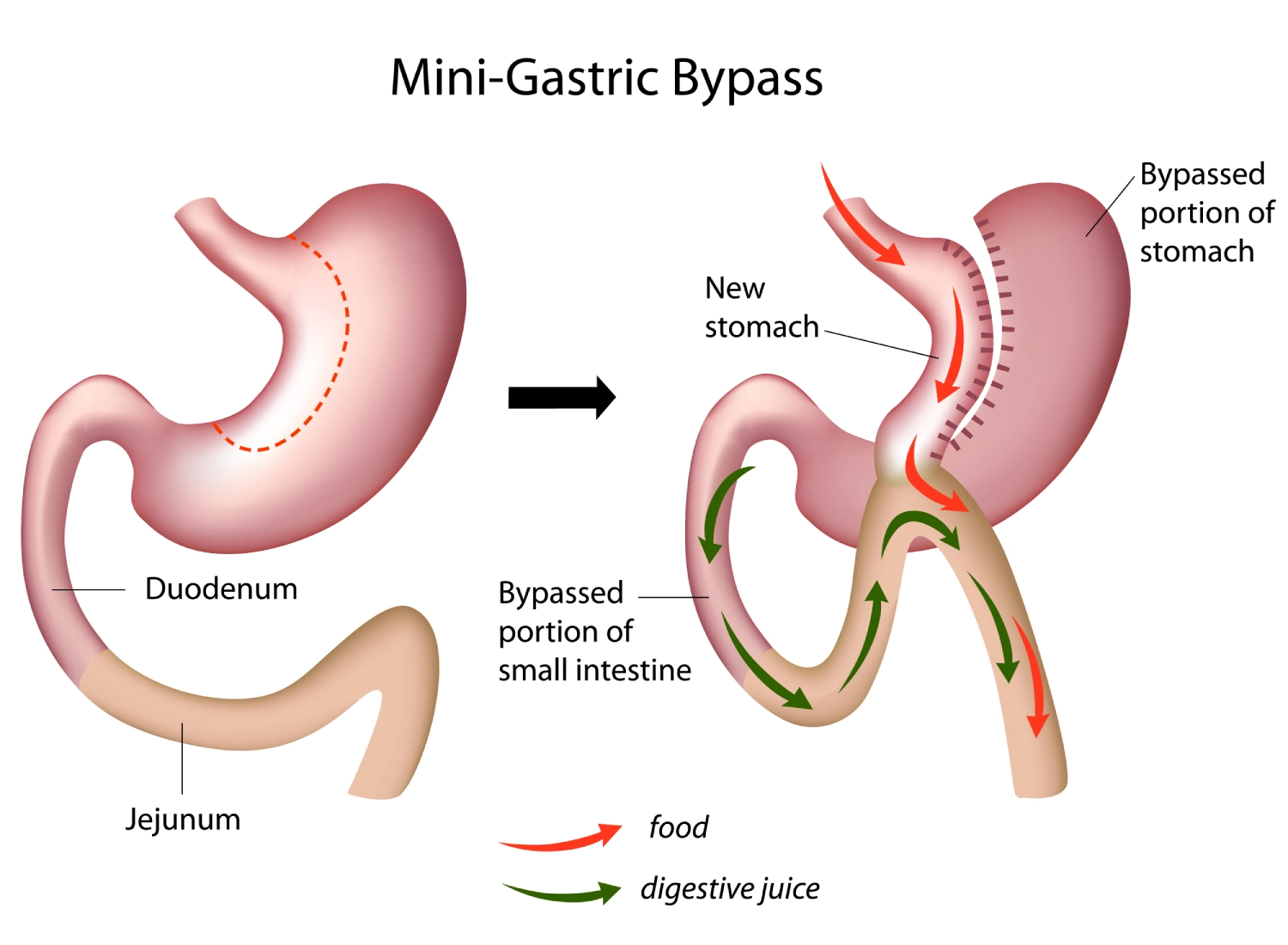
Mini-Gastric Bypass (MGB) is a widely recognized weight-loss surgery that reduces stomach size and limits food absorption, offering a life-changing solution for those struggling with severe obesity. However, like any surgical procedure, it’s important to be aware of the potential risks. By understanding these risks, you can make an informed decision that aligns with your health goals.
Dr. Sherif, an experienced bariatric surgeon, provides expert guidance on managing the risks associated with Mini-Gastric Bypass surgery. My team and I ensure patients receive the best care and support throughout their weight-loss journey. With proper preparation and care, the potential complications of MGB can be minimized, making it a safe and effective choice for those ready to transform their health and weight. Read on to learn more about these risks and how to manage them for a smooth recovery in Dubai.
Reflux: A Common Complication After Mini-Gastric Bypass
Reflux is a potential complication after Mini-Gastric Bypass surgery, causing stomach contents, including acid or bile, to flow back into the esophagus. This can lead to discomfort, irritation, and long-term damage if not managed properly. Effective management through diet modifications and medications is essential for recovery and ensuring long-term success after surgery. In Dubai, specialized care for managing reflux after Mini-Gastric Bypass is available, ensuring patients receive the best treatment to reduce complications.

What is Reflux?
Reflux occurs when stomach acid or bile moves into the esophagus, a result of changes in the digestive system after surgery. Acid reflux involves the movement of stomach acid, while bile reflux happens when bile from the small intestine backs up into the stomach.
How to Manage and Prevent Reflux After MGB
To manage reflux, it’s important to eat smaller, more frequent meals and avoid foods that trigger symptoms. Medications, such as antacids or proton pump inhibitors, can help reduce stomach acid production. In Dubai, specialized follow-up care is crucial for monitoring and adjusting treatment plans, ensuring the best outcome of post-surgery. Regular check-ups help ensure a smooth recovery and minimize the chances of reflux complications.
Dumping Syndrome: What It Means for MGB Patients
After undergoing Mini-Gastric Bypass surgery, many patients experience dumping syndrome. This occurs when food, particularly sugary or high-fat foods, moves too quickly from the stomach into the small intestine. Symptoms such as nausea, dizziness, diarrhea, and sweating are common. Understanding why this happens and how to manage it can make a significant difference in recovery.
Recognizing the Early Signs of Dumping Syndrome
It’s essential to recognize the early signs of dumping syndrome to address it promptly. Common symptoms include nausea, weakness, and rapid heart rate after eating sugary or high-fat foods. By identifying these symptoms early, patients can adjust their diet and seek medical guidance before the condition worsens, ensuring better control and comfort.
Preventing and Managing Dumping Syndrome
Preventing and managing dumping syndrome starts with making smart dietary choices. Focus on eating smaller meals that contain protein, healthy fats, and complex carbohydrates. Avoid high-sugar foods that can trigger symptoms. Working closely with your healthcare provider can help manage symptoms through medications and additional lifestyle changes to ensure comfort and better digestion.
Peptic Ulcers and Their Connection to Mini-Gastric Bypass
Peptic ulcers can develop after Mini-Gastric Bypass surgery due to changes in stomach acid production and the altered digestive system. The remaining portion of the stomach can produce excess acid, leading to irritation and ulcer formation. These ulcers can affect the stomach lining and intestines, causing pain, indigestion, and bloating. Understanding this risk is essential for proper prevention.
To reduce the risk of developing ulcers, it’s important to follow strict dietary guidelines, avoid smoking, avoid non-steroidal pain relief medications and limit alcohol intake. Regular follow-up care with your healthcare provider is also key to monitoring acid levels. Medications such as proton pump inhibitors may be necessary to control stomach acid and prevent ulcers from forming.
Malabsorption: The Risk of Nutrient Deficiency
Malabsorption occurs when the body is unable to absorb essential nutrients from food, a common issue after Mini-Gastric Bypass surgery. Nutrient deficiencies such as iron, calcium, vitamin B12, and protein can lead to symptoms like fatigue, weakness, and poor bone health. Monitoring malabsorption is critical through regular blood tests to identify and address any deficiencies early.
To manage malabsorption, patients should take appropriate supplements and follow a nutrient-rich, balanced diet. Regular check-ups and adjustments to your diet will help minimize the risks associated with malabsorption and ensure long-term health after surgery.

Dr. Sherif: Expert Insight on Minimizing Risks After Mini-Gastric Bypass
Mini-Gastric Bypass surgery provides significant weight-loss benefits but does carry certain risks. Dr. Sherif offers expert advice on minimizing these risks and ensuring a smooth recovery for patients. My team and I emphasize the importance of proper post-surgery care and adherence to guidelines to help prevent complications and achieve lasting results.
- Managing Common Complications: Reflux, dumping syndrome, and ulcers are common concerns after MGB surgery. Following a balanced diet, staying hydrated, and attending regular follow-up appointments can help reduce these issues. Avoiding high-sugar foods and adhering to a well-structured meal plan are essential for minimizing risks and promoting recovery in Dubai.
- Optimal Post-Surgery Care: After surgery, post-operative care is essential for successful recovery. Monitoring nutrient levels, sticking to a strict eating plan, and attending follow-up appointments are key to preventing complications and ensuring the best possible results after surgery.
Ready to Take the Next Step? Contact us Now!
If you’re considering Mini-Gastric Bypass surgery, it’s crucial to understand the risks and complications involved. Scheduling a consultation with Dr. Sherif ensures you receive personalized guidance tailored to your needs. With proper preparation and care, you can reduce the chances of complications and achieve long-lasting results. Contact us today to book your consultation and take the next step toward a healthier you in Dubai.
Take control of your symptoms today. Book your consultation with Dr Sherif Awad!
About Dr Sherif Awad
Dr Sherif is a leading experienced Consultant General, Laparoscopic, Upper Gastrointestinal and Weight Loss Surgeon based at Emirates Speciality Hospital (Healthcare City).