


Umbilical Hernia After Pregnancy: When Dubai Mothers Should Consider Surgery
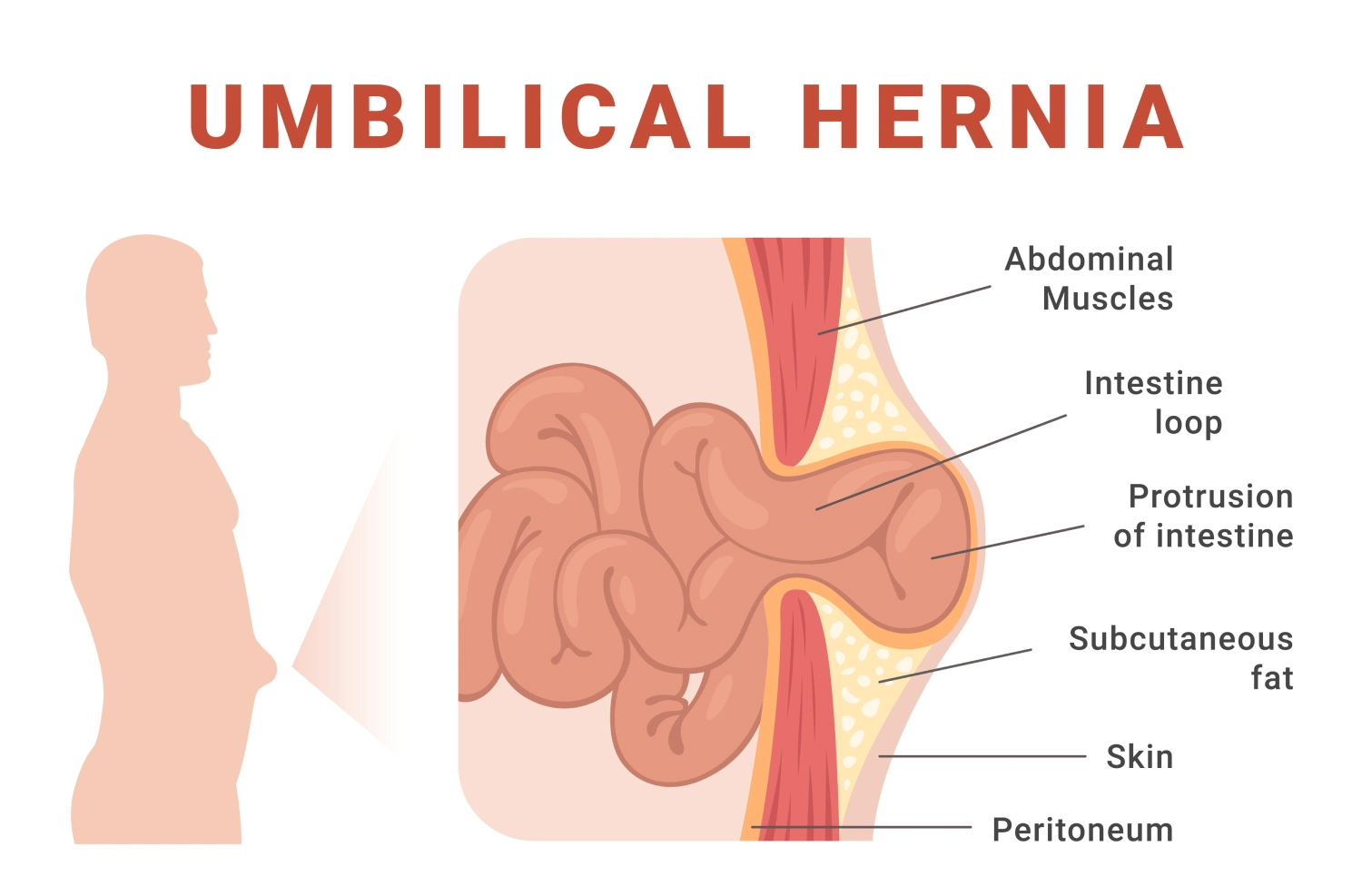
Pregnancy leads to significant physical changes, and some effects may continue even after delivery. A soft bulge or discomfort near the belly button can signal an Umbilical Hernia, which develops when the abdominal wall weakens and allows internal tissue to push through. This often occurs due to prolonged muscle stretching during pregnancy. For many Dubai mothers, symptoms become noticeable weeks or months after childbirth. What appears to be a minor swelling can gradually cause discomfort during daily tasks such as lifting a baby or exercising. In certain cases, the hernia increases in size or becomes painful over time. Recognizing when surgical treatment is appropriate helps prevent complications, reduce persistent discomfort, and support a smoother recovery process.
Dr Sherif Awad an experienced Umbilical Hernia specialist in Dubai, helps mothers understand symptoms, timing, and safe treatment options. Early advice brings clarity and peace of mind.
Understanding Umbilical Hernia After Pregnancy
An umbilical hernia occurs when tissue pushes through a weak area near the belly button. After pregnancy, this is fairly common. The growing baby places pressure on the abdomen and stretches the muscles over several months. Hormonal changes also soften connective tissue, increasing the likelihood of weakness. During pregnancy, the abdominal wall expands to support the uterus. In some cases, it does not fully tighten again after delivery, allowing a small gap to remain. Some hernias shrink as swelling reduces and muscles regain tone. Others remain or slowly increase in size, especially when daily strain continues, or an Abdominal Hernia already exists after childbirth, as recovery can naturally slow healing.
Common Symptoms New Mothers in Dubai Should Not Ignore
After pregnancy, many physical changes feel normal, making early hernia symptoms easy to overlook. Certain signs, however, suggest an underlying issue that needs attention. An umbilical hernia can slowly progress if ignored, affecting comfort and movement. Recognizing early symptoms helps new mothers act sooner, avoid complications, and maintain long-term abdominal strength during postpartum recovery.
Physical Signs of an Umbilical Hernia
One of the first signs is a soft bulge near the belly button that appears when standing or straining. Mild discomfort may occur during coughing, lifting a baby, or exercising. These symptoms may seem minor but often indicate Umbilical & Abdominal Hernia, especially when they continue after childbirth.
Warning Symptoms That Require Medical Attention
Persistent pain or tenderness around the belly button should not be ignored. Swelling, redness, or nausea may indicate reduced blood flow to trapped tissue. These warning signs suggest a higher risk of complications and require prompt medical evaluation to prevent worsening symptoms or emergency situations.
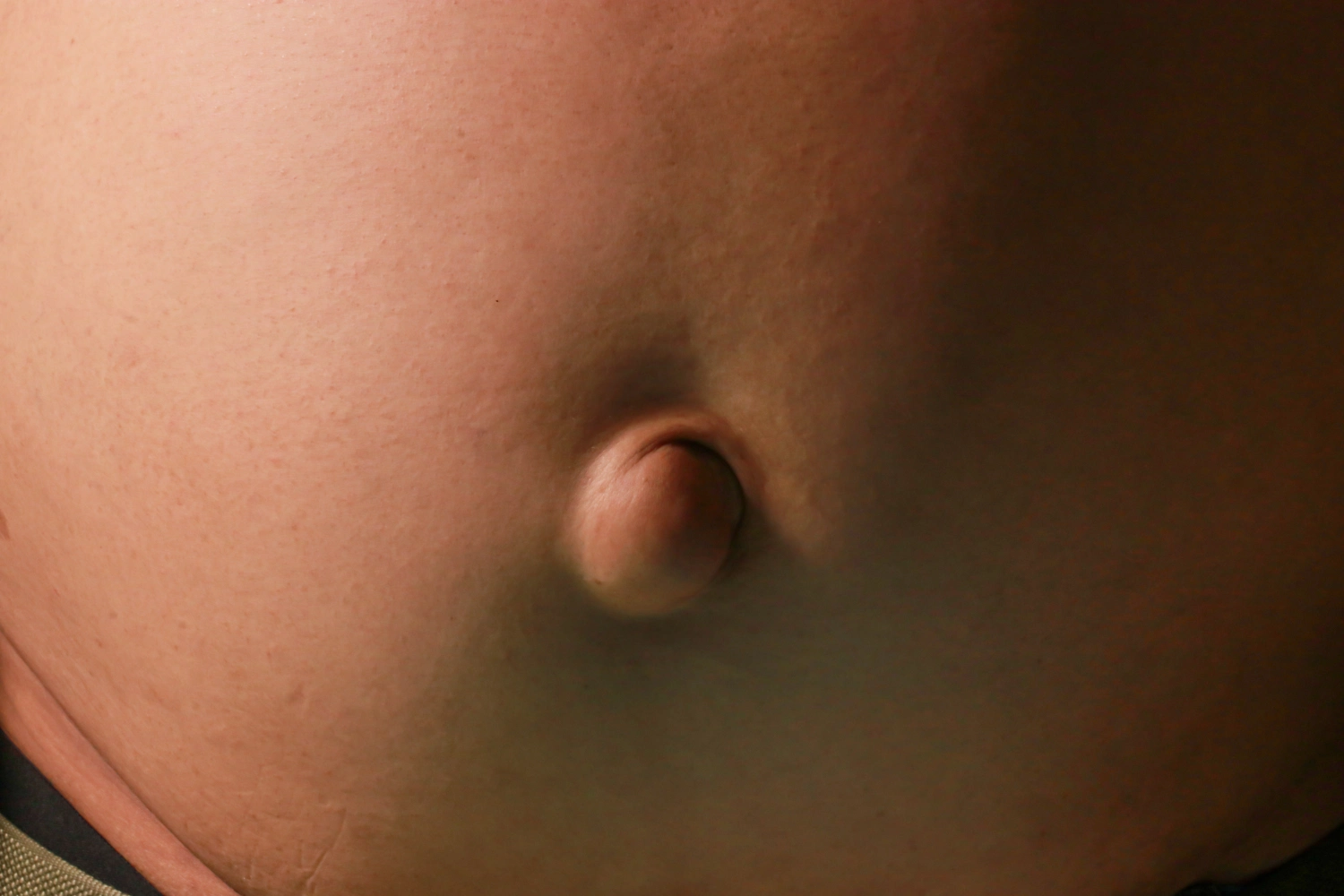
Can Umbilical Hernia Heal on Its Own After Pregnancy?
After childbirth, some women notice a small bulge near the navel and expect it to resolve naturally. An Umbilical Hernia can present in different ways. Mild cases may cause little discomfort, while moderate ones often lead to pressure or strain during movement. Severe forms can become painful and more noticeable over time.
Postpartum healing supports muscle recovery, but it does not repair a structural weakness in the abdominal wall. Many believe more time will solve the issue. In reality, delaying care often allows the condition to persist or worsen, making professional evaluation an important step.
When Should Dubai Mothers Consider Umbilical Hernia Surgery?
After pregnancy, many mothers notice changes around the belly button that do not improve with time. Surgery is usually considered when pain, pressure, or a visible bulge continues months after delivery. Daily activities may become uncomfortable. In such cases, treatment for Umbilical & Abdominal Hernia can help prevent worsening symptoms and future complications.
Ideal Timing for Surgery After Childbirth
Most doctors advise waiting until the body has healed from delivery. This typically means a few months after birth, once swelling reduces and muscles stabilize. Allowing initial healing can improve surgical results. For breastfeeding mothers, surgery is generally safe, with care plans adjusted to support recovery and protect milk supply.
Lifestyle & Health Factors That Influence Surgical Decision
Future pregnancy plans play an important role when deciding on surgery. Some mothers prefer treatment after completing childbirth. Daily routines also matter. Carrying children, exercise habits, weight changes, and work demands can strain weakened muscles. Surgery may help restore comfort and support an active lifestyle.
Comprehensive Umbilical Hernia Surgery Care by Dr. Sherif Awad
If you are seeking structured and dependable care for an umbilical hernia, Dr Sherif Awad provides personalized surgical planning supported by clear medical guidance. My goal is to restore abdominal strength, relieve discomfort, and help you return safely to your normal daily activities. Together with my team, I ensure that every step of your care is carefully managed and clearly explained.
- Focused Evaluation and Clear Diagnosis: We begin with a detailed assessment of the hernia’s size, location, symptoms, and impact on your daily life. My team and I use this information to confirm an accurate diagnosis, determine the right timing for treatment, and reduce the risk of complications related to delayed care.
- Modern Surgical Repair Approach: Our team apply advanced surgical techniques to repair abdominal wall weakness while minimizing tissue strain. When appropriate, I use minimally invasive methods. In many Umbilical & Abdominal Hernia cases, reinforcement is recommended to strengthen the repair and lower recurrence risk.
- Structured Recovery and Ongoing Support: After surgery, my team and I provide clear recovery instructions, including activity guidance, pain management, and realistic healing timelines. This structured approach supports steady healing and helps you return to daily routines with confidence.
Book Your Umbilical Hernia Consultation in Dubai Today!
Book an umbilical hernia consultation in Dubai with Dr. Sherif Awad for clear answers and practical options. The consultation includes a focused examination, imaging guidance if required, and a treatment plan suited to postpartum recovery. Early evaluation helps prevent complications and supports a smoother return to daily activities, exercise, and confident motherhood. Care is explained clearly, with the next steps outlined.
Take control of your symptoms today. Book your consultation with Dr Sherif Awad!
About Dr Sherif Awad
Dr Sherif is a leading experienced Consultant General, Laparoscopic, Upper Gastrointestinal and Weight Loss Surgeon based at Emirates Speciality Hospital (Healthcare City).